
London
Vibrant and truly multicultural, London is a megalopolis of people, ideas and frenetic energy. The capital and largest city of the United Kingdom sits on the River Thames in South-East England. Greater London has a population of a little over 9 million. Considered one of the world's leading "global cities", London remains an international capital of culture, music, education, fashion, politics, finance and trade. For the visitor, there is a seemingly endless choice of historical sites, shopping, museums, food, art galleries, nightlife, and activities. Once a Celtic settlement, London is a bustling city, where visitors come to experience the urban heritage and see its specific royal-themed attractions.
Most read about in January, least in November. That is when people look it up, which tends to run a month or two ahead of when they go.
Before you book
The Foreign, Commonwealth & Development Office publishes the UK’s official travel advice for United Kingdom. It changes without notice and travelling against it usually invalidates your insurance, so read it at the source rather than anywhere else — including here.
FCDO travel adviceUnderstand
History
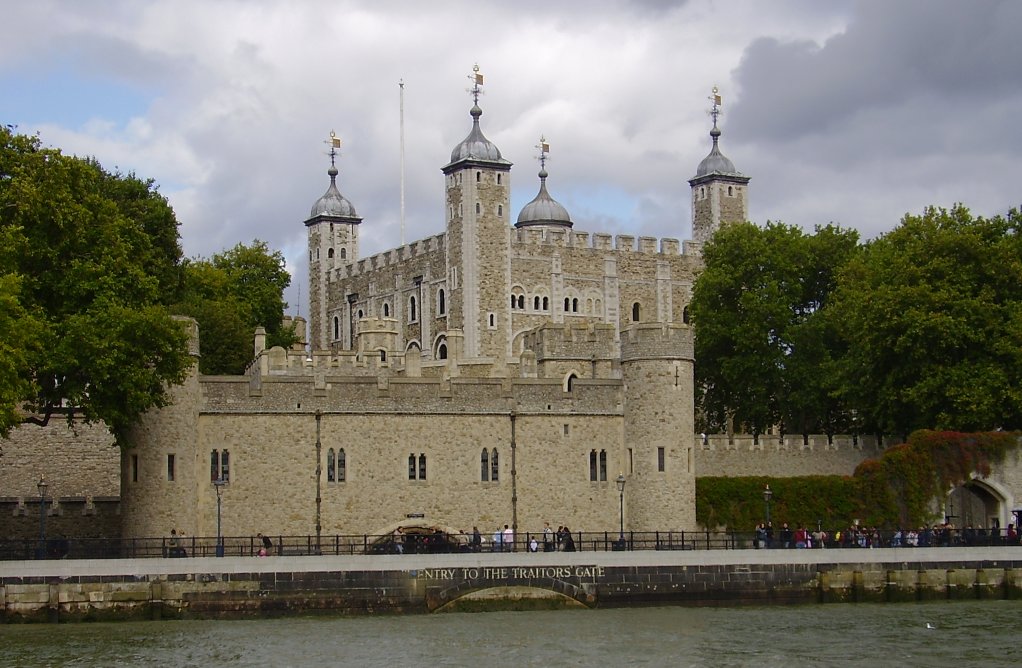
Settlements have existed on the site of London since well before Roman times, with evidence of Bronze Age and Celtic inhabitants. The Roman city of Londinium, established just after the Roman conquest of Britannia in the year 43, formed the basis for the modern city (some isolated Roman period remains are still to be seen within the City). After the end of Roman rule in 410 and a short-lived decline, London experienced a gradual revival under the Anglo-Saxons, as well as the Norsemen, and emerged as a great medieval trading city, eventually replacing Winchester as the royal capital of England. This paramount status for London was confirmed when William the Conqueror, a Norman, built the Tower of London after the conquest in 1066 and was crowned King of England in Westminster. London went from strength to strength with the rise of England to first European then global prominence, and the city became a great centre of culture, government and industry. London's long association with the theatre, for example, can be traced back to the English Renaissance (witness the Rose Theatre and great playwrights like Shakespeare who made London their home). With the rise of Britain to supreme maritime power in the 18th and 19th centuries (see Industrial Britain) and the possessor of the largest global empire, London became an imperial capital and drew people and influences from around the world to become, for many years, the largest city in the world. England's royal family has, over the centuries, added much to the London scene for today's traveller: the Albert Memorial, Buckingham Palace, Kensington Palace, Royal Albert Hall, Tower of London, Kew Palace and Westminster Abbey being prominent examples. Despite the decline of the British Empire, and suffering during the Second World War when London was heavily bombed by the German Luftwaffe in the Blitz, the city remains a top-tier world city: a global centre of culture, finance, and learning. London is easily the largest city in the United Kingdom, eight times larger than the second largest, Birmingham, and ten times larger than the third, Glasgow, and dominates the economic, political and social life of the nation. It's full of excellent bars, galleries, museums, parks and theatres. It is also the most culturally and ethnically diverse part of the country, and arguably of the whole of Europe as well, making it a great multicultural city to visit. Samuel Johnson famously said, "when a man is tired of London, he is tired of life". Whether you are interested in ancient history, modern art, opera or underground raves, London has it all.
The City and Westminster
Historically London was two cities: a commercial city and a separate government capital. The commercial capital was the City of London. This had a dense population and all the other pre-requisites of a medieval city: walls, a castle (The Tower of London), a cathedral (St Paul's), a semi-independent City government, a port and a bridge across which all trade was routed so Londoners could make money (London Bridge). About an hour upstream (on foot or by boat) around a bend in the river was the government capital (Westminster). This had a church for crowning the monarch (Westminster Abbey) and palaces. As each palace was replaced by a larger one, the previous one was used for government, first the Palace of Westminster (better known as the Houses of Parliament), then Whitehall, then Buckingham Palace. The two were linked by a road called The "Strand", the old English word for "riverbank". London grew both west and east. The land to the west of the City (part of the parish of Westminster) was prime farming land (Covent Garden and Soho for example) and made good building land. The land to the east was flat, marshy and cheap, good for cheap housing and industry, and later for docks. Also the wind blows 3 days out of 4 from west to east, and the Thames (into which the sewage went) flows from west to east. So the West End was up-wind and up-market, the East End was where people worked for a living. Modern-day London in these terms is a two-centre city, with the area in between known confusingly as the West End.
Climate
Despite having perhaps a fair reputation for being unsettled, London enjoys a mild climate on average. As much as one in three days on average will bring rain, though sometimes for only a short period. In some years, 2012 and 2018 being examples, there was no rain for a number of weeks. The fact that Londoners would find this remarkable should be an indication to visitors from drier climates of what they may be in for! Extreme weather is rare. Occasionally there may be heavy rain that can bring localised flooding or strong winds that may down trees and damage roofs, but overall you are unlikely to encounter anything too lively.
What's inside

The name "London" used to refer only to the once-walled "Square Mile" of the original Roman and later medieval city; this is now confusingly called the "City of London" or just "The City". Today, London has taken on a much larger meaning to include all of the vast central parts of the modern metropolis, with the city having absorbed numerous surrounding towns and villages over the centuries, including large portions of the surrounding "home counties", one of which - Middlesex - being completely consumed by the growing metropolis. The term Greater London embraces Central London together with all the outlying suburbs that lie in one continuous urban sprawl within the lower Thames Valley. Though densely populated, London retains large swathes of green parkland and open space, even within the city centre. Greater London is most of the area surrounded by the M25 orbital motorway, and consists of 32 London Boroughs and the City of London that, together with the office of the Mayor of London, form the basis for London's local government. The Mayor of London is elected by London residents and should not be confused with the Lord Mayor of the City of London. The names of several boroughs, such as Westminster and Camden, are well-known, others less so, such as Wandsworth and Lewisham. This traveller's guide to London recognises cultural, functional and social districts of varying type and size:
Getting there

By plane
London receives more flights than any other city in the world. It is served by six airports (LON IATA for all airports). There are direct public transport connections between all London airports and the city centre. The quickest travel option is usually by train, tube or coach. See the linked articles for information on travelling from each airport. When planning your trip, leave plenty of time to get to your destination from the airport. If you arrive into a London airport and must catch a connecting flight from another airport, leave plenty of time to travel through London. This can be quite time consuming and you may need to catch two or more trains.
1 London Heathrow Airport (LHR IATA). Heathrow is the main airport for London, and the second busiest in the world in terms of international passenger traffic. (updated Jan 2024) 2 London Gatwick Airport (LGW IATA). London's second-busiest airport Gatwick has two terminals - "North Terminal" and "South Terminal". You can fly into Gatwick from a large number of domestic and international destinations, particularly destinations in Europe. Airlines include British Airways, easyJet, KLM, Ryanair and TUI. (updated Jan 2024) 3 London Stansted Airport (STN IATA). Stansted is busy with short-haul flights from destinations in Europe, the Middle East and North Africa, as well as UK destinations including Newquay, Edinburgh and Belfast. Airlines include easyJet, Jet2 and Ryanair. (updated Jan 2024) 4 London Luton Airport (LTN IATA). Luton Airport is around 30 miles from London. You can fly into Luton from a large number of European destinations, particularly smaller cities in southern and eastern Europe. Airlines include easyJet, Ryanair and Wizz Air. For public transport to central Londoni, it's a choice between a train (shuttle bus to Luton Airport Parkway then train to London St Pancras), or a bus from the airport to London Victoria. (updated Jan 2024) 5 London City Airport (LCY IATA). 3.5 mi (5.6 km) from Canary Wharf, this commuter airport has short-haul flights from other major European cities. Also some holiday routes. British Airways and Lufthansa are among the airlines which fly into London City Airport. Plane tickets at London City tend to be more expensive than at other airports. London City Airport lies in east London. Onward travel is viaː Docklands Light Rail, local buses, taxi or minicab. (updated Jan 2024). 6 London Southend Airport (SEN IATA). There are flights from a few European destinations including Paris and Amsterdam. EasyJet operates most flights into London Southend Airport. Journeys into central London can take more than an hour. There is a railway station at Southend Airport, but you cannot use "touch in, touch out" There are few bus links with London. (updated Aug 2026)
By train
Wikivoyage has a guide to Rail travel in Great Britain London is a major destination on the British rail network and every major city has a regular connection with the capital.
Getting around

The main travel options in summary are:
By bus: Running by iconic red double-decker buses, this is the cheapest and usually the best way to get around London as a tourist: on most of the Underground, you won't see anything! By Tube / Underground: As world's oldest rapid transit system, there are 11 lines cover the central area and northern suburbs, run by TfL. By Overground and the Elizabeth Line: Urban communter rail systems run between central area and suburbs, part of National Rail network but run by TfL. By National Rail: A complex network of suburban rail services mainly covering southern suburbs, privately run and not part of the TfL network, although all operators now accept Oyster payments within Greater London. By Docklands Light Railway (DLR): An automatic metro system running from the City to East London via the Docklands, run by TfL. By foot: In central London, walking to the next Tube station often takes around 10 minutes, and is a more scenic choice than going underground. The street layout can be confusing, so a street map is essential; map and travel apps for smartphones and tablets are incredibly useful and many stations have central London printed maps for £2. By boat: Both commuter ferries run by TfL and pleasure cruises ply along the River Thames. Some services accept Oyster cards, but special fares apply, so check before you travel. By bicycle: There are hire bicycles (known to Londoners as "Boris Bikes" after former London mayor Boris Johnson) operated by TfL available for pick up in inner London. You will need a credit or debit card with a PIN. If you bring your own bike, there are plenty of cycle lanes and traffic is normally considerate. By tram: A tram service that operates only in southern suburbs around Croydon, Wimbledon and Bromley. Run by TfL and charges the same fares as buses.
By public transport
London has one of the most comprehensive public transport systems in the world. Despite residents' perpetual (and sometimes justified) grumbling about unreliability, public transport is often the best option for getting anywhere for visitors and residents alike. In central London use a combination of the transport options listed below - and check your map: in many cases, you can easily walk from one place to another or use the buses. Public transportation shuts down early on Christmas Eve, and all day on Christmas Day. Transport for London (TfL) is a government organisation responsible for all public transport. Their website contains maps plus an excellent journey planner. TfL publishes a useful 'coping guide' specially designed for travellers who wish to use public transport during their visit to London. TfL also offers a 24-hour travel information line, charged at a premium rate: tel +44 843 222 1234 (or text 60835) for suggestions on getting from A to B, and for up to the minute information on how services are running. Fortunately for visitors (and indeed residents) there is a single ticketing system, Oyster, which enables travellers to switch between modes of transport on one ticket. You must have a valid ticket at all times when travelling by bus, tram or train in London. If you can't show a valid ticket or a validated Oyster/Debit/Credit card you will have to pay a Penalty Fare, which is usually £40 (increased to £80 if it isn't paid within 21 days). Always buy your ticket before you get on the train. If using an Oyster/Debit/credit Card, ensure that you touch in and out on a yellow reader before and after travelling by Tube or train, even if there are no barriers or they are left open. There are four types of tickets you can buy: the Oyster card (a contactless electronic smartcard), Travelcards (which exist both in paper form or can be loaded on your Oyster card), contactless debit or credit cards, and paper tickets. Paper tickets are significantly more expensive than paying by Oyster/contactless. Contactless debit/credit card (your normal bank card) is often the most convenient approach, and priced the same as Oyster card.
See

London is a huge city, so all individual listings are in the appropriate district articles and only an overview is presented here.
Landmarks
Buckingham Palace. The London residence of the King, in Westminster. Open for tours during the summer months only (in 2022 - from Jul 22 to Sep 30; tickets - https://tickets.rct.uk/product/date), but a must-see sight even if you don't go in. (Tube: Green Park). Changing of the Guard spans three locations: Buckingham Palace, St James’s Palace and Wellington Barracks, and usually begins at 10:43 (check https://changing-guard.com/dates-buckingham-palace.html for details). London Eye. The world's fourth-largest observation wheel, on the South Bank of the Thames with magnificent views over London. (Tube: Waterloo) Marble Arch is a white Carrara marble monument designed by John Nash. It is located in the middle of a huge traffic island at one of the busiest intersections in central London where Oxford Street meets Park Lane in Mayfair. (Tube: Marble Arch) Piccadilly Circus is one of the most photographed sights in London. The Shaftesbury Memorial, topped by the statue of Anteros (now popularly identified as Eros), stands proudly in the middle of Piccadilly Circus while the north eastern side is dominated by a huge, iconic neon advertising hoarding. Occasionally there will be scaffolding or fencing around the Eros statue in order to protect it during times when large crowds are anticipated. (Tube: Piccadilly Circus)
St Paul's Cathedral, also in the City, is Sir Christopher Wren's great accomplishment, built after the 1666 Great Fire of London - the great dome is still seated in majesty over the City. A section of the dome has such good acoustics that it forms a "Whispering Gallery". There is also a viewing area that offers views of the surrounding area including the Millennium Bridge that lies nearby. (Tube: St Paul's)
Do

London is a huge city, so all individual listings are in the appropriate district articles. To make the most of the city's tremendous cultural offerings (performing arts, museums, exhibitions, clubs, eateries and numerous others), visitors will do well to pick up a copy of a cultural magazine like Time Out London (available at most corner shops and newsagents) which gives detailed information and critiques on what's around town including show times and current attractions. The Time Out London website also has major shows listed. There is also apps available, although the print version tends to be more detailed.
Live music
London is one of the best cities in the world for concerts, spanning from new musical trends to well-known bands. Between huge concert facilities and small pubs, there are hundreds of venues that organise and promote live music every week. Many concerts, especially in smaller or less known places are free, so there is plenty of choice even for tourists on a budget. London has long been a launchpad for alternative movements, from the mods of the 1960s, punks of the 70s, new romantics of the 80s, the Britpop scene of the 90s, and the indie rock and rock movements in the 21st century. It has one of the world's most lively live music scenes: any band heading a British, European or World tour will play London, not to mention the local talent. London's music scene is incredibly diverse, covering all genres of music from electro-jazz to death-metal, and all sizes of bands, from the U2s and Rolling Stones of the world to bands that disband after their first gig. This diversity is reflected in prices. As a rough guide: £40 and up for 'top 40' bands in arena-sized venues, £20 and up for established bands in mid-sized venues, £10 or more for up-and-coming bands and club nights in smaller venues, £5 and up for new bands in bars and pubs (as of 2024). Wigmore Hall offers classical music concerts in an intimate setting. The usual fare is between £18 and £60 but £5 tickets are available for most concerts for those aged under 35. London has hundreds of venues spread out over the city and the best way to know what's going on where is to browse online ticket agencies, Music Magazine's gig directories and bands' social media pages. A few areas which have higher concentrations of pubs and venues than others. Kilburn in North West London has long been known as an Irish area; though their numbers have somewhat declined, a visit to a local pub will show their influence endures.
Theatre
The West End, especially the areas concentrated around Leicester Square, Covent Garden, Shaftesbury Avenue and Haymarket, is one of the world's premier destinations for theatre, including musical theatre. In the centre of Leicester Square there is an official half-price TKTS booth. Be wary of other ticket offices -including those claiming to be the "Official Half-Price Ticket Office" - as these may have higher prices, and have been known to sell fake tickets. For up-to-date listings see the weekly magazine Time Out or check the Official London Theatre site. The South Bank is another area well known for world class theatre, and is home to the National Theatre and the Globe Theatre, the latter of which is London's only thatched building and an attraction in itself. Each Globe performance has over 700 £5 tickets. London's theatre scene outside of these two main districts is known as "the Fringe". Several of the larger and more established fringe theatres are an excellent way to see top quality productions of plays that may move to the West End, but at lower than West End prices. The Royal Court theatre specialises in new work by innovative writers from the UK and around the world. The Menier Chocolate Factory has done spectacularly well with revivals of musicals. The Lyric Theatre, Hammersmith, offers a mix of modern interpretations of Shakespeare, musicals, and plays serving the Asian and Afro-Caribbean populations of West London.
Shopping

Money
London is among the worst places to exchange money. Included fees (in the exchange rate) of up to 50% are not uncommon. Do not get fooled by the "no commission" claim that many bureaux de change make. This is a lie because the exchange rates are so bad that the exchange is very costly. So, how do you identify a decent exchange rate? Basically, the spread between the buy and sell rate tells you what is the fee (divided by 2, actually)—anything above 10% is a rip-off, 5% is good. You are better off withdrawing money from ATMs here. Never attempt to change money on either Leicester Square or Tottenham Court Road; rates there can be misrepresented.
Shopping
London has a justified reputation for being one of the world's most expensive cities. But if you do your homework beforehand, there are ways to limit the damage, and prices for basic items are in general not as exorbitant as in the Nordic countries or Switzerland. London is one of the world's most fashion-conscious cities: it has an abundance of clothing shops from the flagship stores of Oxford Street to the tiny boutiques of Brick Lane. Though not particularly known for bargain shopping, nearly anything you could possibly want to buy is available in London. During major sales, such as the annual Boxing Day sale after Christmas, and Black Friday in late November (an event imported from the U.S.), prices for some items are lowered by up to 70%, meaning that it is possible to find bargains for genuine luxury-branded goods if you are there at the right time. Outside of major brands and retailers, you may want to check if an item has actually ever sold at the claimed full price. In Central London, the main shopping district is the West End (Bond Street, Covent Garden, Oxford Street and Regent Street). On Thursdays many West End stores close later than normal (7-8PM).
Oxford Street. Main shopping street, home to flagship branches of all the major British high street retailers in one go including Selfridges, John Lewis (includes a food hall), Marks & Spencer and other department stores. It is best to shop here in the morning as the street becomes increasingly busy during the day. (Tube: Oxford Circus) Regent Street (between Oxford Circus and Piccadilly Circus). Includes such gems as Hamleys, considered to be London's flagship toy store spread out on seven levels, the iconic luxury department store Liberty, and the London Apple Store. (Tube: Oxford Circus, Piccadilly Circus) Bond Street. Some of the world's most luxurious designer stores such as Cartier, D&G, Jimmy Choo, Louis Vuitton and Versace. (Tube: Bond Street) Tottenham Court Road. Contains some of the world's most luxurious designer interior stores such as Heals. (Tube: Tottenham Court Road, Goodge Street) Covent Garden. Fashionable area home to quaint outlets and relatively expensive designer stores. Around Seven Dials, chains include Adidas Originals, All Saints, Carhartt, Fred Perry, G Star Raw and Stussy. For shoes, head for Neal Street. Also found here is the London Transport Museum whose gift shop has some of the best souvenirs in the city (old maps, vintage Tube posters, etc.) London's second Apple Store is located here as well. (Tube: Covent Garden) Charing Cross Road (near Covent Garden). Traditionally a book lover's haven, it still has the giant general bookstore Foyles, and a few specialist and antiquarian shops survive south of Cambridge Circus and on the side streets to the east. (Tube: Tottenham Court Road, Leicester Square, or Charing Cross) Piccadilly (near Piccadilly Circus). Home to the luxury department store Fortnum & Mason. Denmark Street (at the north end of Charing Cross Road near Tottenham Court Road station). Also known as Tin-Pan Alley, this is a music lover's paradise with an amazing array of music shops, bars and clubs in one short street. (Tube: Tottenham Court Road) Soho. Offers alternative music and clothes. Now home to Chappell of Bond Street's historic music shop. (Tube: Oxford Circus) Camden Town. Alternative clothing and other alternative shopping, popular with teenagers and young adults. Has the headquarters for Cyberdog - a large shop which sells clothing and accessories for the club and rave scene. Camden Lock Market is also worth a visit to see independent artists plying their wares. (Tube: Camden Town) Chelsea. The King's Road is noted for fashion, homeware and children's clothing. On Wednesday many stores close late. (Tube: South Kensington) Knightsbridge. Department stores include the world-famous Harrods (includes a food hall) and Harvey Nichols. On Wednesday many stores close late. (Tube: Knightsbridge) Beauchamp Place. Shop where royalty and celebrities shop! One of the world's most unique and famous streets. It is known as one of London’s most fashionable and distinctive streets, housing some of the best known names in London fashion, interspersed with trendy restaurants, jewellers and speciality shops including Fortuny. (Tube: Knightsbridge) Westminster. Some of the world's most famous shirts are made on Jermyn Street. Savile Row is home to some of the world's best men's bespoke tailors including Henry Poole, Gieves & Hawkes, H. Huntsman & Sons, and Dege & Skinner. (Tube: Westminster) Westfield London in Shepherd's Bush is one of the two largest shopping mall complexes in Greater London. It is served by the London Overground and the Underground. It is easiest to get here via public transport, but there is reasonable car parking space available. (Tube: Shepherd's Bush) Westfield Stratford City in Stratford is a large shopping mall complex located on the edge of the Queen Elizabeth Olympic Park. There is ample car parking and you can also park here to access the park. This Westfield is easier to access by car due to its close proximity to the A12 road. (Tube/DLR: Stratford)
Eat

For suggestions of specific restaurants have a look into the district articles.
It is a huge task for a visitor to find the "right place" to eat in London – with the "right atmosphere", at the "right price" – largely because, as in any big city, there are literally thousands of venues from which to choose, ranging from fast food joints, pubs, and mainstream chains all the way up to some of the most exclusive restaurants in the world which attract the kind of clientele that don't need to ask the price. Sorting the good from the bad isn't easy, but London has something to accommodate all budgets and tastes. As London is one of the world's most multicultural cities, it is possible to find virtually every cuisine from around the world here if you look hard enough.
Prices inevitably become inflated at venues closest to major tourist attractions - beware the so-called tourist traps. The worst tourist trap food, in the opinion of many Londoners, is served at the various steak houses (Angus Steak House, Aberdeen Steak House, etc. – they are all dotted around the West End and near the main train stations). Londoners wouldn't dream of eating here – you shouldn't either! Notorious areas for inflated menu prices trading on travellers' gullibility and lack of knowledge are the streets around the British Museum, Leicester Square and Piccadilly Circus. Even the major fast food chains charge a premium in their West End outlets, so watch out. Pubs in the touristy areas of London are usually a poor choice for food although there are some brilliant "gastro-pubs" hidden away. In general, avoid all pubs that have graphic-designed and printed menus. Look around you – see any locals tucking in? No? Then you shouldn't either. The other rule to follow when avoiding poor food is the same as in any other part of Europe – is the menu available in multiple languages? If yes, then start running!
Drink

London is home to a great many pubs, bars and nightclubs. The online city guide View London and the weekly magazine Time Out tell what's going in London's night life, as well as cultural events in general.
Pubs and bars
London is an expensive place and your drink will cost more than its equivalent elsewhere in the United Kingdom. Expect to pay £6-7 for a pint in an average pub. As with restaurants, pubs close to major tourist attractions cash in on travellers' gullibility so be on your guard for the tourist traps where higher prices are not unheard of. If you're looking to save money and meet travellers then pub crawls are guided tours that run nightly in central London. You'll save the ticket price on the savings you get from discounted drink deals and what you would have spent on club entry. The "1 Big Night Out" pub crawl is the biggest operator and starts from near Leicester Square Tube station. Many local pubs tend to be more reasonably priced with good drink promotions on weekday nights and during the day. A good place to get cheap ale beer is at any one of the Sam Smith pubs found across Central London, including Soho and the City. In the Bloomsbury area, check out The Court (near the north end of Tottenham Court Road) and The Rocket (Euston Road). Both are fairly cheap, given that they cater for students of the adjacent University College London. Directly opposite the British Library is The Euston Flyer, popular with locals and commuters alike given its close proximity to St Pancras International railway station.
Classier bars and pubs can be much more expensive. However, the cost of alcohol drops significantly the further away you go from the centre (West London tends to be an exception, with prices pretty much the same as the centre). For a more reasonably priced (but brilliant) cocktail bar than you'll find in the central and West End areas Lost Society in Clapham on Lavender Hill, cocktails here cost around £7-8 each. Two historic London breweries are Young's and Fullers. Young's was founded in Wandsworth in 1831 (but has relocated to Bedford) and nowadays it has 123 pubs in central London alone. The Founder's Arms next to the Tate Modern on the river embankment, is one of the brewery's most well-known establishments with a great view of the River Thames. Fullers was founded a bit later in 1845 at Chiswick (where you can take a most enjoyable tour of the brewery, including beer-tasting) and the jewel in its crown is probably the Grade I listed Old Bank Of England on Fleet Street, thanks to its breath-taking interiors. Fuller's flagship beer is the famous 'London Pride', however to try a truly authentic Cockney pint, ask at bars if they serve a seldom seen now porter, a dark style of beer originating in London in the 18th century, similar but less heavy than a stout. For a different taste, try a gin and tonic. It's hard to say which pub in London is truly the oldest but it's easy to find contenders for the title. Many pubs were destroyed in the Great Fire of London – indeed, Samuel Pepys supposedly watched the disaster from the comfort of the Anchor in Borough. Pubs were rebuilt on sites that claimed to have been working pubs since the 13th century. Ye Olde Cheshire Cheese in Fleet Street is on the site of an old monastery and its cellar dates back to the 13th century. The Princess Louise and Cittie of Yorke are two lovely pubs close by along High Holborn with interesting decor; as is the Jerusalem Tavern of Farringdon, a converted Georgian coffee shop, which sells the Norfolk beer, St. Peters. The Royal Oak of Borough, is another pub which is the only representative of an out-of-town brewery in London, that of Harvey's of Lewes. The food is fantastic as is the atmosphere. Those interested in London's historic and literary connections can't miss The Spaniard's Inn in Hampstead. Dick Turpin is said to have been born here; John Keats and Charles Dickens both drank here; it's mentioned in Dickens' The Pickwick Papers and Bram Stoker's Dracula. The Goose at Catford, was reputedly a favourite hole of Karl Marx. For the best view in the city, try pubs on the banks of the Thames. The South Bank has lots of good bars with views of iconic bridges and buildings. One lesser-known cocktail bar sits in the OXO Tower, which is a secret that most tourists walk by every day. Heading towards Bermondsey, pub crowds become a little less touristy. For something historic try the Prospect of Whitby' in Wapping which has been on its site since 1520 and claims to be the world’s oldest riverside tavern. If you're after gastropubs, you may like to visit London's first, The Eagle, in Clerkenwell, established in 1991. You can also try Time Out's favourite newcomer, The Princess Victoria on Uxbridge Road, Shepherd's Bush. The "Bermondsey Beer mile" is home to many craft breweries which are open in the middle of the day most Saturdays. Situated under the railway arches on lines going to London Bridge, these quaint breweries are home to high quality beer at cheap to average London prices (~£2 per half). Best places include Kernel Brewery and Brew by Numbers. Wine buffs can enjoy the famous Davys wine bars that dot the city. The company, established in 1870, import wines and own over thirty bars in the centre. Other big names in wine include the Michelin-starred Cellar Gascon and Vinoteca, both in Smithfield. For a posh wine tasting experience, there is Vinopolis by Borough Market, though a tour price will be as eye-watering as the produce sampled. Big hotels, such as The Langham, The Dorchester and The Ritz, and upmarket clubs around Leicester Square and Soho are reliable bets for a date at the bar. The Connaught Hotel in Mayfair-Marylebone boasts its house bar, plus the Time Out magazine favourite, The Coburg. Still in Mayfair, The Polo Bar at The Westbury is very intimate. You can rely on most up-and-running bars to offer a short cocktail menu and there are also bars that position themselves as cocktail specialists.
Sleep

London has hundreds of options for accommodation to suit all budgets from hostels through historic bed and breakfasts (B&Bs), mainstream chain hotels and apartments all the way to some of the most exclusive luxury hotels in the world such as The Savoy, The Ritz and Claridges where a stay in a top suite will cost upwards of £1,000 per night. The average cost of hotel accommodation in London is higher than in any other major British city. Prices invariably become inflated close to major sporting tournaments (such as the London Marathon, Wimbledon or major England football/rugby fixtures), or other important events taking place in the city - so it pays to plan your trip around such occasions or book your accommodation well in advance. In general, most people tend to stay within "Zone 1" of the underground, however do your research carefully - sometimes being that extra five minutes away from a station can make the difference in cost and quality of local food and drinking options. In any case, you can always catch a bus anyway - by far the best way to see the city and get about generally. If you stay outside of Zone 1, TfL's travel time map shows which locations have good public transport.
Hotels
Your budget will have a lot to do with what part of London you will want to stay in. Expect smaller than average rooms especially at the low end of this range. Many of the big name chain hotels now offer substantial discounts if you book well in advance, but the drawback is that you have to pay the full amount upfront at the time of booking and there are no refunds if you cancel. The heart of the West End is the most expensive place to stay and most hotels are either four- or five-star and most will command a hefty price premium. The City and Canary Wharf can also be very expensive during the week, as they rely heavily on the captive business market, but prices often drop dramatically over the weekend when the business travel dries up. Booking there can be a good way of getting into a higher standard of accommodation than you could otherwise afford. However, much of the City becomes a ghost town over the weekend, and you will find that few bars and restaurants are open away from the main tourist attractions. Be exceptionally careful regarding the big "budget" hotel chains such as Premier Inn and Travelodge; prices for their London hotels (in contrast to elsewhere) can often meet or exceed those of other, better quality hotels, so it cannot just be assumed that you will get a good deal from them. Some of Travelodge's City of London hotels especially are of shockingly poor quality for the prices they charge. A top tip, however, is to always check the likes of Expedia and LateRooms as well as the hotel's own website since there are often deals to be had which can reduce the costs significantly. The extra cost of getting around is probably not significant compared to savings made by staying in a hotel further out near an Underground or railway station. Always be sure though to check where the closest Tube station is to your hotel. Staying further out will be cheaper but when travelling in allow 1-2 min per Tube stop (near the centre), around 2-3 min per stop (further out) and 5-10 min per line changes. This can easily total up to a 1 hour journey if there is a walk at each end. There are many hotels close to transport hub stations such as Stratford, Greenwich, Ealing Broadway, Wimbledon and East Croydon. A more imaginative alternative could be to stay in a nearby town with quick and easy train travel to London. For example, lively Brighton (otherwise known as 'London by Sea') is only an hour away, but your budget will go much further and there are excellent accommodation options. Some of the better value options are to be found in the following central districts:
Bloomsbury. Relatively quiet district with a wide range of accommodation, and has enjoyed a surge in popularity following Eurostar's move to St Pancras International station. Cartwright Gardens features a dozen small B&Bs in historic houses. Many budget options are located on Argyle Square (just off the Euston Road). Gets a little seedy towards and beyond King's Cross railway station. Earl's Court and West Kensington in west central London. Budget and modest accommodation as well as good 4-star hotels. Be careful with the cheapest accommodation in this area though as it will likely be very seedy indeed. Paddington and Bayswater in north west central London. Has undergone a lot of change largely resulting from the Heathrow Express train coming into Paddington station. Good hotels can be found in the immediate area of the station and in quieter spots a short walk away as well as in the traditional mid-range accommodation area further south in Bayswater. Westminster. Lots of small B&Bs around the back of Victoria railway station in the Pimlico area. A slightly left-field option is to check the Landmark Trust, a building preservation charity who purchase notable old buildings in the UK, renovate and run them as holiday lettings. An interesting approach to saving old buildings for sure.
Stay safe

In an emergency, telephone 999 or 112. This number connects to police, ambulance and fire & rescue services as well as the coastguard for incidents on the river. You will be asked which of these services you require before being connected to the relevant operator. London has two of the oldest police forces in the world. The Metropolitan Police (The Met) is responsible for policing London except the tiny City of London, which is the responsibility of the City of London Police. In addition to these, the Tube and other railways are patrolled by the British Transport Police. On the whole, London is a safe place to visit and explore. Normal precautions for the safe keeping of your personal possessions, as you would in any other city, are suggested.
Crime
Like many big cities, London has a variety of social problems, especially begging, drug abuse and theft; mobile phones are a favourite target, often snatched by fast-moving moped riders (hence dubbed the phone-snatching capital of the world). Make sure you have security and anti-theft features enabled on your phone as thieves are getting more sophisticated and will try to access your personal data and banking apps. The police have placed significant resources in combating street-level crime. Working in conjunction with borough councils and the City of London Corporation, they have brought the level of theft and pickpocketing in major retail areas in London to a manageable level. Pickpocketing in London is not as rampant as in other major European cities, though it still pays to be vigilant and take the usual precautions in securing your valuables. Street gang culture is a growing problem in London as with many other cities in England. While most groups of youngsters are not likely to present any danger to tourists, some people feel the need to be slightly more vigilant in certain areas, especially certain outer suburbs. Violent crime is in general not common, but most typically occurs between members of rival gangs, rather than on random members of the public.
Main precautions to take
Keep valuables out of sight. Many crimes are opportunistic - a lot of mobile phones are snatched from restaurant tables. By keeping items such as cash and mobile phones out of sight theft can easily be prevented. Don't flash your cash unnecessarily! Keep bags zipped up and close to your body. If your bag is hanging open it's like putting up a flashing neon sign saying "Steal from me!" Use zips and inside pockets to secure items wherever possible. Never leave valuables such as mobile phones, wallets, or travel documents in an outside section of your bag. Be aware of your surroundings. Before using your mobile phone have a look around you. Put your back against something solid such as a wall or window so you can't be approached from behind. If you're in a train or Tube station try to use your phone before leaving as all stations have CCTV. Constantly look around you, especially if you are in a busy area. Don't walk and talk/text!
Go next

Nerd activities in London
Day-trips
Aylesbury – Historic market town. Berkhamsted – Historic market town. Features the ruined castle of William the Conqueror, canal-side pubs, and Ashridge Forest. Bournemouth – Large beach resort on the edge of the New Forest, with seven miles of golden sand. Brighton – Fashionable beach town that is arguably Europe's gay capital. Canterbury – Site of the foremost cathedral in England, constructed during the 12th-15th centuries. Eastbourne – A leafy seaside resort town of Victorian architecture, with a lovely pier and bandstand. Famous for Beachy Head chalk cliffs, and a popular viewing platform. Hastings – Picturesque seaside town famous for the battle of 1066, where small fishing boats are launched directly from the beach. Hemel Hempstead – A small town dating back to the 8th century, home to the UK's largest indoor ski slope. Henley-on-Thames – A quaint and typical English town on the river, great for walks, rowing and sailing. Home to the famous boating Regatta in summer. Lewes – Delightful mid-Sussex town, with a picturesque brewery and the famous Guy Fawkes festival in November. Maidstone – County town of Kent, known as the Garden of England. Margate, Broadstairs, and Ramsgate – A trio of seaside resorts of the Isle of Thanet in Kent. Rochester – A favourite town of Charles Dickens with loads of history in the form of a medieval cathedral and castle. Nearby Chatham has a strong naval heritage. Portsmouth – Home of the Royal Navy and of real interest to nautical enthusiasts. Also offers access to the Isle of Wight. Southend-on-Sea – An Essex seaside town with pebble and sand beaches, fairground rides, arcades, and the longest pier in the world. Make sure to grab yourself a delicious Rossi ice cream – a local delicacy since 1932. Shaftesbury – A small, beautiful Dorset town, one of the oldest in Britain. St Albans – Small, quaint cathedral city with Roman heritage; home to Verulamium Museum and Verulamium Park. Stonehenge – Among the most famous landmarks in England. The mysterious stone ring was built thousands of years ago, today it is a UNESCO World Heritage Site. Best visited in combination with a trip to nearby city Salisbury, where you can also visit the 13th-century cathedral with the highest spire in the country. Winchester – Former capital of England and attractive cathedral city with lots to see. Windsor and Eton – Nearby Thames-side towns with magnificent royal castle, its extensive estate, and one of Britain's most prestigious private schools.
Further afield
Bath – Well-heeled spa city with ancient Roman bathhouse and spectacular Georgian and Regency architecture. Birmingham – Boasts many events, pubs and clubs, and shopping opportunities. Cambridge – Gothic university colleges and chapels, and punting on the river. Manchester – The second most visited city in England. Oxford – The "city of dreaming spires", with dozens of fascinating university colleges and museums to visit. Shrewsbury – A very traditional town full of medieval black and white timber-framed buildings along winding, steep, narrow streets set on the River Severn. The South Downs National Park – Beautiful, rolling chalk hills for a day's stroll or longer hikes.
More pictures of London


From this destination's category on Wikimedia Commons. Each photograph is credited to its own author under its own licence.
The guide text on this page is from the Wikivoyage article London, written by Wikivoyage contributors and published under CC BY-SA 4.0. The authors are listed in the article’s edit history. It has been shortened and re-laid-out for this page; that adapted text is available under the same licence. Nothing else on this page is.
Wikivoyage is written by travellers, not by us. Opening hours, prices and whether a place still exists are exactly the details that go out of date, so check anything you are relying on.
“7,340 readers a month” and the ranking are ours, counted from Wikimedia’s published pageviews (CC0) — the median of twelve complete months. They count people reading about a place, which is not the same as people going there.