
Los Angeles
Frank Lloyd Wright is said to have quipped, "Tip the world over on its side and everything loose will land in Los Angeles," a quote that has since been repeated both by those who love and hate L.A. The "City of Angels" is home to people who hail from all parts of the globe and an important center of culture, business, media, and international trade. However, it's most famous for being a major center of the world's television, motion picture, and music industry, which forms the base of the city's status and lures visitors for its show business history and celebrity culture. Visitors are also drawn to Los Angeles for its Mediterranean climate and numerous beaches, which gave birth to California's famed surf culture. California's most populous city and the second most populous city in the United States (after New York City), Los Angeles is spread across a broad basin in Southern California surrounded by vast forested mountain ranges, valleys, the Pacific Ocean, and nearby desert. Los Angeles sits at the heart of a metropolitan area of over 18 million people that spreads across Los Angeles County, Orange County, Ventura County, and the Inland Empire region of San Bernardino County and Riverside County. Los Angeles is a host city for the 2026 FIFA World Cup and the host city for the 2028 Summer Olympics.
Most read about in August, least in April. That is when people look it up, which tends to run a month or two ahead of when they go.
Before you book
The Foreign, Commonwealth & Development Office publishes the UK’s official travel advice for United States. It changes without notice and travelling against it usually invalidates your insurance, so read it at the source rather than anywhere else — including here.
FCDO travel adviceUnderstand

Geography
The city of Los Angeles is huge, stretching from the suburbs of the San Fernando Valley in the north to the Port of Los Angeles in the south, a distance of almost 50 mi (80 km). And that's just the primary city; the sprawling L.A. metropolitan area spreads across portions of five counties and includes numerous smaller cities, some of which are regional centers of their own, like Burbank, Pasadena, Long Beach, Anaheim, Santa Ana, Riverside and San Bernardino. Some of these cities were founded around the end of the nineteenth century and grew alongside Los Angeles, and even today retain distinct identities. Such is the nature of Los Angeles: because it is so spread out and its individual cities and neighborhoods are so distinct, the city is often thought of less as a cohesive whole than as a collection of disparate communities. Even some of the neighborhoods officially within the city of Los Angeles are so well-known that they are often thought to be distinct from the city, such as Hollywood, Van Nuys, Bel-Air, and Venice Beach, which sit astride officially independent municipalities such as West Hollywood, Santa Monica, and Beverly Hills. Most of the city sits in a broad basin that stretches from Santa Monica along the shoreline across the southern portion of the county and into Orange County. The basin is the most intensely developed part of the region, with a strong grid pattern of streets and freeways that's evident from the air. This basin is framed on the north by the Santa Monica Mountains, which gradually soften into a series of hills as they run east past Hollywood and Downtown L.A. and through East L.A. On the other side of these hills are two heavily developed valleys, the San Fernando Valley to the northwest of Central L.A. and the San Gabriel to the east, which today are filled with suburban neighborhoods. North of the valleys are the steep San Gabriel Mountains, which reach a high enough elevation that their peaks are sometimes coated with snow in the winter. Beyond this lies the Mojave Desert.
History
Prior to European contact, the Los Angeles basin was occupied by the native Tongva people, a set of hunter-gatherer tribes that were spread across much of Southern California. Portuguese explorer Juan Cabrillo was the first European to visit the region, sailing along the coast in 1542 and claiming the land for the Spanish Empire, but it took over two hundred years for the first Spanish settlement to be established, with the construction of the Mission San Gabriel by Franciscan missionaries in 1771. Ten years later, a group of Spanish settlers known as "Los Pobladores" ("the townspeople") founded a small village, El Pueblo de Los Angeles, at the site of the present-day El Pueblo district near Downtown. Los Angeles remained a small ranch town for several decades, passing to Mexican and then to American rule in 1847 in the wake of the Mexican–American War. Los Angeles was immediately turned into a boomtown with the completion of railroads to the region, first the Southern Pacific Railroad from the north in 1876 and then the Santa Fe Railroad from the east in 1885, establishing the city as a railroad hub of the west. At the same time, city boosters sought to establish port and industrial facilities to challenge San Francisco's dominance on the west coast, and aggressively marketed the city to other parts of the country. Intense real estate speculation and low railroad fares attracted many "folks" from the Midwest and East Coast with warm winters and good job prospects. The discovery of oil in the basin and the completion of an aqueduct to provide a steady supply of water only accelerated the city's growth. Filmmakers began arriving in the 1900s, lured by the area's climate and varied scenery, but also to flee Thomas Edison's litigious motion picture company, whose patents weren't enforced in the west. D.W. Griffith was the first to film a motion picture in the city, heralding the arrival of Hollywood. Soon, the vast majority of the world's film industry was concentrated in Los Angeles, making the city known throughout the world. Los Angeles continued to grow, drawing waves of job seekers during the Great Depression, and by the 1940s had the largest streetcar network in the world. World War II turned the city into a major center of wartime manufacturing, with Los Angeles briefly serving as the aviation center of the nation. After World War II, Los Angeles sprawled out even further with the rise in popularity of the automobile and the concurrent expansion of the freeway system. This hastened the decline of the expansive streetcar network; in fact many of the city’s major arterials follow previous streetcar lines such as Wilshire Boulevard, San Vincente Boulevard, and the Glendale freeway. This turned Los Angeles into the car-centric city it is today, with its infamous traffic jams and sprawling medium-to-low density population. Inequitable urban planning policies contributed to white flight and created racially segregated neighborhoods in much of the central, south central, gateway, and north east regions of the city. The 1960s saw racial tensions erupt with the Watts Riots, and again in 1992 with the Rodney King riots. Nevertheless, the population of the city continued to grow, drawing a remarkable diversity of immigrants from throughout the Pacific Rim and Latin America. Since the early 1990s, the city has seen a decrease in crime and renewed investment in urban development and revitalization. Much of the manufacturing industry has moved elsewhere, but the ports of Los Angeles and Long Beach are now the largest harbor complex in the nation, handling much of the United States' imported goods. After decades of underinvestment, the city's public transit system has seen massive expansion and improvement bolstered by popular support for several countywide ballot measures to fund new construction. America's entertainment industry remains largely headquartered in Los Angeles, and between the warm weather and attractions both new and old, the city continues to draw people from around the world. In 1994, the magnitude 6.7 Northridge earthquake shook the city, causing $12.5 billion in damage and 72 deaths. In 2002, Mayor James Hahn led the campaign against secession, resulting in voters defeating efforts by the San Fernando Valley and Hollywood to secede from the city. In 2022, voters elected Karen Bass as the city's first female mayor, making Los Angeles the largest US city to have ever elected a woman as mayor. Los Angeles will host the 2028 Summer Olympics and Paralympic Games, making Los Angeles the third city to host the Olympics three times.
People
Los Angeles is a very diverse city with much of its population being born outside the United States. The city has the third largest Mexican population in the world, behind the Mexican cities of Mexico City and Guadalajara, the largest Iranian population outside of Iran, and is home to about a dozen other large immigrant populations, many with their own little enclaves of restaurants, shops, and places of worship; some prominent examples include Chinatown and Little Tokyo in the Downtown area, Koreatown, the Little Armenia district of East Hollywood, and Iranian, Indian, Pakistani, and Japanese enclaves in West Los Angeles On the south side of the county, Long Beach has a very diverse population while Carson is noted for its large Samoan population. The Latino population is spread throughout the city, but is still most heavily concentrated in East Los Angeles, South Los Angeles remains the African-American center of the city, even while experiencing an increase in the Hispanic population. Prominent gay communities can be found in West Hollywood, as well as the Silver Lake neighborhood and the broader Westside area.
What's inside

For travel purposes, this article covers the entirety of Los Angeles County, a region of nearly 5,000 square miles (13,000 km2) in Southern California (roughly the same size as Rhode Island). There are 88 cities (municipalities) in the county; the largest, the city of Los Angeles, spreads throughout the county from the Port of Los Angeles to the San Fernando Valley.
Getting there

By plane
The Los Angeles metro area is served by five major commercial airports and more than a dozen private airports. Three of the major airports are in L.A. County proper while the other two are nearby.
Los Angeles International Airport (LAX IATA), 1 World Way, +1-310-646-5252. LAX is one of the major ports of entry for international flights to the United States as well as a major destination for domestic flights so it can be quite busy, especially around holidays. Nearly all major airlines as well as some smaller regional airlines fly into LAX. All of the major rental car agencies have a location near the airport with hundreds of cars available for rent. Many connecting bus routes have service to destinations all over Southern California. Hollywood Burbank Airport (BUR IATA), 2627 N Hollywood Way, Burbank, +1-818-840-8840. Has a range of flight options, mainly to Western U.S. destinations and some east coast cities. Located in the San Fernando Valley, northeast of Downtown L.A, it's closer to Hollywood and Downtown Los Angeles than LAX is. To reach Hollywood, take a free shuttle to the North Hollywood Red Line subway station and ride 2 stops south. To get to Downtown LA, take Metrolink/Amtrak train or the Red Line. Long Beach Airport (LGB IATA), 4100 Donald Douglas Dr., Long Beach, +1 562 570-2600. Delta, Hawaiian, and Southwest fly into this airport located in southern Los Angeles County. Ontario International Airport (ONT IATA), 1940 East Moore Way, Ontario in adjacent San Bernardino County, Inland Empire, +1 909 937-2700. Alaska, American, Avianca El Salvador, China Airlines, Delta, JetBlue, Hawaiian, Southwest, Starlux, United and Volaris serve this airport located 37 mi (59 km) east of Downtown Los Angeles, about a 40-minute drive without traffic. Omnitrans #61 bus runs to the Pomona Transit Center, with a connection to the Silver Streak to Downtown LA or the ONTConnect bus (Omnitrans #380) to the Rancho Cucamonga Metrolink Station. John Wayne Airport (SNA IATA), 18601 Airport Way, Santa Ana in adjacent Orange County, +1 949 252-5200. Alaska, Allegiant, American, Breeze Airways, Delta, Frontier, Southwest, United, and WestJet serve this airport located 40 mi (64 km) southeast of Downtown Los Angeles, about a 45-minute drive without traffic. Closest airport for Disneyland and Knotts Berry Farm. LAX has historically been the main airport for the city, with frequent service and low fares, but the other regional airports are seeing increasing service. Check as one of them may be better, depending on your circumstance. These airports can save a lot of hassle because they are less busy than LAX. Also, the L.A. area is so wildly spread out and populated that going anywhere will generally require a lot of travel, as well as possibly enduring traffic jams. So using the nearest airport will only be of convenience to you. All five airports lack direct train services; only the Bob Hope Airport is somewhat proximate to a Metrolink commuter rail station (not to be confused with the Metro Rail service). LAX has a comfortable, fast, and relatively frequent express bus service, the LAX FlyAway, to Union Station (in Downtown) and Van Nuys. LAX does not cater to small general aviation; Burbank (ICAO: KBUR) does, but is considered high-traffic for this type of flight; Long Beach (ICAO: KLGB) does, but has a very complicated runway system and, again, is considered high traffic. General aviation will fare much better at L.A. area airports that do not handle commercial flights at all. Much of Los Angeles is Class Bravo or other controlled airspace, but due to the number of airports and the generally good weather, Los Angeles makes a fantastic flying destination. Private pilots will prefer smaller general aviation airports such as Van Nuys (ICAO: KVNY), one of the world's busiest private jet airports, as well as Hawthorne, or any of the other small airports in the area that do not handle commercial flights; Santa Monica (ICAO: KSMO) reduced their runway length to restrict aircraft size to smaller planes. Air taxi and air charter companies including Los Angeles Private Jets can access private aircraft at any of L.A.'s private aviation airports, as well as planes in your area for flights to Los Angeles.
By car
Several major freeways enter the Los Angeles region. Interstate 5 is the primary north/south freeway through Central L.A., heading south to the Mexican border through Orange County and San Diego, and heading north through the San Joaquin Valley to Sacramento, continuing on through the Pacific Northwest before eventually reaching Canada. From the south, Interstate 405 splits off from I-5 in Orange County and is a more direct route to Long Beach, the South Bay, and the Westside, so long as you don't travel during rush hour. From the north, I-5 is the most direct option from the San Francisco Bay Area (linked to I-5 by I-580), while U.S. Highway 101 is the most direct option from California's Central Coast. From the east, Interstate 10 is the primary road into the region, heading east from L.A. through the Inland Empire and the California desert (via Palm Springs) before crossing through into Arizona and continuing across Texas, Louisiana, Alabama, Mississippi and the Florida panhandle to Jacksonville, FL. And while they don't directly connect to Los Angeles proper, Interstates 15 and 40 are important links from the north and east. I-15 runs north/south through the Inland Empire (where you can connect to several freeways to L.A. proper), continuing north through Nevada and Utah (via Las Vegas and Salt Lake City) and heading on through the Rocky Mountains (Idaho and Montana) to the Canadian border. I-40 is one of the nation's primary east-west road links, cutting a long route across the middle of the country. In California, I-40 terminates at I-15 in the town of Barstow; from there, follow I-15 south into the Inland Empire and connect from there to Los Angeles. If driving into or through the L.A. area, be sure to make note of when you'll be arriving so as to try to avoid one of the area's notorious traffic jams. See the Get around section below for more detailed info on getting around L.A. by car.
Getting around
By rail
The Los Angeles area's Metro Rail subway/light rail system opened its first line in the 1990s and has been expanding since. Most prominent neighborhoods and sightseeing destinations can be reached using Metro Rail, including Downtown L.A., Koreatown, Hollywood, Universal Studios, Chinatown, Pasadena, Exposition Park, Wilshire, Culver City, Santa Monica, and Long Beach. For these areas, public transportation can be preferable to the gridlock that often occurs on freeways and streets. The Metro Rail system consists of two subway lines, four light rail lines, and two bus rapid transit lines, with operating hours and frequencies varying from one line to another. Note that in 2022 lines were given letters instead of names, but the names are still in colloquial use.
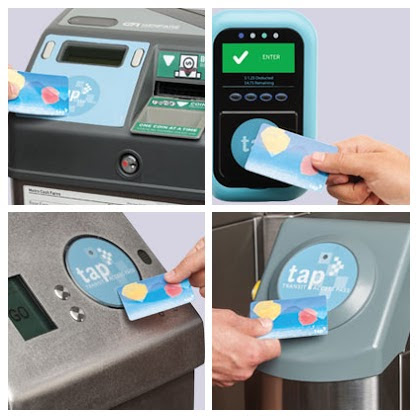
Subway service is provided by the B and D Lines, with the B running from Downtown to Hollywood, then to Universal City and North Hollywood in the San Fernando Valley, while the D connects Downtown to Beverly Hills along Wilshire Boulevard via Koreatown and Mid-City. In Downtown, these lines overlap with a terminus at Union Station; check the train's destination signs to make sure you are on the right train. D Line trains outside of rush hour are only two cars in length and will not fill the length of the station; signs on the platform will help guide you to where the train will stop. Due to the traffic along the 101 freeway, it's usually faster to take the B Line between Hollywood and Downtown than to drive. The A Line light rail service runs between Pomona and Long Beach through South Los Angeles, with a stop convenient to the Watts Towers. The E Line light rail service runs from East Los Angeles through Downtown Los Angeles to the University of Southern California and the museums of Exposition Park before turning west to Culver City and Santa Monica. In Downtown, these two lines overlap for a segment that includes the 7th St/Metro Center Station, where you can transfer to the B and D Lines; check the train's destination signs to make sure you are on the right train. Note that only the A Line serves Union Station. The C Line is one of two light rail lines that doesn't serve Downtown, running east-west along Interstate 105 on the southern side of L.A. between LAX and Norwalk, with a transfer point to the A Line at Willowbrook/Rosa Parks Station in South L.A. The K Line is the other of two light rail lines that doesn't serve Downtown, running north-south from the E Line at Crenshaw to Redondo Beach via Inglewood and LAX. There are also two bus rapid transit (BRT) lines which use bus-only roadways. The G Line runs across the San Fernando Valley between Chatsworth (with a connection to Amtrak's Pacific Surfliner) and the terminus of the Red Line in North Hollywood. The J Line runs between El Monte (in the San Gabriel Valley) and San Pedro through Downtown, and requires an extra surcharge in addition to the standard Metro fare. There is no direct rail connection between Downtown Los Angeles and LAX, but a free shuttle to the airport terminals is available from the LAX/Metro Transit Center on the C and K Lines. A people mover is scheduled to replace the shuttle in January 2026. Until then, a much more convenient option is the direct LAX FlyAway shuttle service, which serves the airport directly from Union Station and Van Nuys. Distinct from Metro is the Metrolink regional rail system, which radiates out from Union Station to many surrounding suburbs and counties. Metrolink does not accept Metro passes, but Metrolink tickets are honored as a day pass on Metro Rail and buses for the date stamped on the ticket, and are compatible with the TAP system. More detailed info on Metrolink can be found in the By train section above.
By bus
The main bus system in Los Angeles is operated by Metro (+1-800-COMMUTE, or +1-800-266-6883). Many Angelenos without a car use the bus as their primary mode of transportation. There is a preponderance of frequent bus service along major north-south and east-west corridors radiating to the south and west from Downtown Los Angeles. Service frequencies are fairly high along major streets in the L.A. basin; in general you won't wait more than 15-20 minutes for a bus. "Rapid" buses run more frequently than local ones and should be used when possible, given that L.A. is so huge that you'll much prefer riding buses which only stop at major intersections to ones that stop nearly every block. Check the schedules in advance as many routes change and have reduced frequency in the late hours. An oddity of L.A. public transit is that there are numerous bus transit agencies, which almost always require paying an additional fare if you transfer between agencies. LADOT's DASH shuttles circulate around Downtown L.A., Hollywood and various Los Angeles neighborhoods. Santa Monica's Big Blue Bus system provides service in that city as well as linking Santa Monica with Westside L.A. districts (such as Brentwood, Westwood, and Venice Beach), Downtown L.A., and LAX. The Culver CityBus operates buses in and around Culver City and UCLA. Areas of the San Gabriel Valley east of El Monte are served by Foothill Transit. Montebello Bus Lines operates service in Montebello, Pico Rivera, Whittier, East LA, and surrounding communities. Long Beach Transit provides service in and around Long Beach while the city of Torrance have their own set of buses with Torrance Transit. For service from Los Angeles International Airport (LAX), the LAX FlyAway bus is the most convenient bus service to Downtown L.A. and Van Nuys; see the LAX page for details.
See

Individual listings can be found in Los Angeles's district articles
Show business
Entertainment is what has earned L.A. its fame, so it's no surprise that many come for the sights of Hollywood, where you will find such landmarks to film as Grauman's Chinese Theater and the Hollywood Walk of Fame or gaze up at the Hollywood Sign perched on the hill. However, while the entertainment industry is still headquartered in Hollywood, most of the major studios have moved elsewhere, particularly San Fernando Valley; Universal City is home to Universal Studios and its associated theme park, CBS has set up shop in Studio City, while nearby Burbank is home to the Warner Brothers Studios and the Walt Disney Studios, among others. On the Westside, Sony Pictures occupies the historic MGM Studios in Culver City, the headquarters of 20th Century Studios sit in Century City, and many television shows are still taped in CBS Television City in Fairfax. Paramount Pictures is the last movie studio left in Hollywood, with its famed double-arched gate facing Melrose Avenue. Many studios offer tours, and at some you might even be lucky enough to attend a television show taping; check the individual pages for details. Besides the studios, there are many sights that attract movie buffs and are worth checking out for those interested in the history of film. Hollywood has plenty of museums and classic cinemas related to the Golden Age of Hollywood, while Hollywood, Downtown, Northwest L.A., Wilshire, and Beverly Hills are chock-full of iconic filming locations in a city that's full of them. There are also a few cemeteries noted for being the final resting places of many celebrities and influential writers and directors, particularly the Hollywood Forever Cemetery in Hollywood, the Westwood Village Memorial Park in Westwood, and the massive Forest Lawn Memorial Park in Glendale, where you're guaranteed to run into the famous of yesteryear. Of course, many also come in the hopes of seeing living celebrities. While your chances of running into one in Hollywood are rather low, you may get lucky in the glamorous neighborhoods of Beverly Hills, West Hollywood, and Malibu, which are home to many celebrity mansions and whose fancy restaurants are sometimes frequented by movie stars. Awards season brings a lot of celebrity-spotting as well, with most of the famous awards shows hosted in Los Angeles: the Academy Awards take place in Hollywood, typically in late February; the Grammy Awards have settled into the Staples Center in Downtown each February; the Golden Globes take place in Beverly Hills each January; and the late summer Primetime Emmys have spent the last several years at the Microsoft Theater in Downtown.
Historical
Los Angeles, as a general rule, hasn't been too careful about retaining its historical artifacts, and that's ignoring the fact that much of the city was only built in the last half-century or so. However, there are some historical attractions for those interested in learning about L.A.'s past: El Pueblo de Los Angeles Historical Monument in Downtown is the site of the original Spanish settlement where Los Angeles was founded in the 1780s. Today it's preserved as a historic district with some of the city's oldest buildings as well as a number of Mexican restaurants and shops along touristy Olvera Street. Two other important sites from Los Angeles' Spanish era are located along the El Camino Real in Los Angeles County: the Mission San Gabriel, which predates the Pueblo de Los Angeles, and the Mission San Fernando in the northern portion of the San Fernando Valley. Downtown's Historic Core still has many splendid examples of late 19th and early 20th century architecture, including many old movie palaces and the noteworthy Victorian-style Bradbury Building along Broadway. Just north of the Historic Core is the grand 1920s City Hall building, while just a little further on, across from the El Pueblo area, is the 1930s Mission Revival-style Union Station, the main railway hub for the city. East L.A. has the Heritage Square living history museum, showcasing life in L.A. around the turn of the 20th century. Heading west from Downtown, the Miracle Mile district along Wilshire has a lot of mid-20th century commercial architecture, including some superb examples of Art Deco and Streamline architecture. Another great Art Deco structure is the Griffith Observatory atop Griffith Park, famed for its many appearances in film and its sweeping view of the city. And of course, Hollywood, Beverly Hills, and Culver City have numerous theaters, studios, and other examples of architecture dating from the Golden Age of Hollywood. Several of Los Angeles' suburbs have successfully preserved historic buildings and neighborhoods. Some of the more historic cities include Pasadena, South Pasadena, Monrovia, Long Beach and Whittier.
Do

The Pacific Ocean! Visitors will have to charter a boat to see this most magnificent thing to see in Los Angeles. OnBoat charter boats in Los Angeles has numerous choices. See https://onboat.co/los-angeles-yacht-charter/ Individual listings can be found in Los Angeles's district articles
Beaches
The Westside is home to the most famous beaches of LA: Venice Beach, with its colorful Boardwalk and Muscle Beach, and the adjacent town of Santa Monica, with its popular pier and amusement park. Both communities share an expansive stretch of sandy beach which gets very crowded in the summer and which have plenty of amusements and facilities available, as well as a very festive scene in Venice that's fantastic for people watching. Just south of Venice is the less-crowded Dockweiler State Beach in the aptly-named town of Playa del Rey (Spanish for beach of the king). Further north, where the coastline meets the Santa Monica Mountains, are scenic beaches in Pacific Palisades and Malibu; Pacific Palisades' Will Rogers State Beach is expansive and quite popular, while Malibu's narrower Surfrider Beach is famed for its surf breaks. South Bay is home to a number of beaches that are also very popular, in particular the Beach Cities of Manhattan Beach, Hermosa Beach, and Redondo Beach, with piers and expansive stretches of sand lined with expensive houses. Hermosa is famed for its festive atmosphere, regularly holding volleyball tournaments and surfing competitions, and all three are popular with families and beach-goers. Also good but less crowded is Torrance Beach further south, which is noted for great surfing, and the very scenic stretch of coastline in Palos Verdes, which holds many rocky coves and tidepools that make for fun exploration. Off the coast and enormously popular for people taking a day trip out of L.A. are the picturesque beaches of Catalina Island. Additionally, the Beach Cities of nearby Orange County are very popular with locals. For those who are more into boats than sand, Marina del Rey is located just south of Venice and is the world's largest man-made small-craft harbor, offering plenty of mooring as well as motorized and non-motorized rentals.
Sports
Los Angeles has great opportunities for seeing live pro sports. The Major League Baseball Los Angeles Dodgers are one of the most famous teams in baseball and a game at Dodger Stadium in Elysian Park, in the hills north of downtown, is an absolute treat for baseball fans. However, LA's most successful sports franchise has been and remains the Los Angeles Lakers of the NBA, undoubtedly one of the greatest basketball teams in history. They play at Crypto.com Arena in Downtown, which they shared with another NBA team, the much less successful Los Angeles Clippers, before the Clippers moved to the new Intuit Dome in Inglewood in 2024. Also playing at Crypto.com Arena are the Los Angeles Kings of the National Hockey League and the Los Angeles Sparks of the WNBA. The city has two Major League Soccer teams—the LA Galaxy, which plays at Dignity Health Sports Park in Carson, and Los Angeles FC, which started play in 2018 at BMO Stadium in Exposition Park. Angel City FC started play in the National Women's Soccer League in 2022, playing in LAFC's stadium.
Shopping

Individual listings can be found in Los Angeles's district articles Los Angeles has a well-known diversity of unique shopping destinations. Shopping malls will dominate your shopping experience in L.A. and even non-shopping visitors are likely to encounter them; for example, the Hollywood and Highland mall is a popular meeting point in Hollywood for those gazing at the Walk of Fame and Mann's Chinese Theater, The Grove is a major destination in Fairfax next to the historic Farmer's Market, and West Hollywood's Beverly Center is a massive eight-story shopping complex with a nice view of the city from its food court patio. Lacking any significant public square, Los Angeles funnels its civic life onto its streets. Among the most popular shopping streets is Larchmont Blvd, which caters to the wealthy elite of Hancock Park with one-of-a-kind boutiques. Melrose Avenue in West Hollywood one-ups Larchmont Blvd with celebrity presence. And then there's the fabled Rodeo Drive of Beverly Hills (uses the Spanish pronunciation: Roh-DAY-oh), famed for its high-end fashion stores. In Downtown, the chaos of Broadway is a far cry from the comforts of manicured shopping centers, with merchandise geared towards the region's Latino population. Here, beneath the street's opulent early-20th century movie palaces, you can find a lot of brand name merchandise at discounted prices; forty dollars will probably get you a brand new wardrobe. Nearby is the gritty flea market of Santee Alley, chock full of knock-off designer labels and pirated DVD's and CD's. For a similar experience, try Alvarado Blvd between Wilshire and 6th in Westlake, where you can gain an insight into how most of working-class Los Angeles shops. Big deals can be found on a wide range of counterfeit goods, but don't stay too long after dark when the neighborhood gets sketchy. Make sure to check out the Art Deco buildings that exist in between the makeshift warehouses as well as the Alvarado Terrace Park, surrounded by early-20th century mansions. Downtown is also a destination for some specialized retail destinations. Want flowers? Why there's a Flower District in Downtown! Jewelry? Fashion? Seafood? Toys? Yep, there are entire districts in Downtown dedicated to these particular products. You can buy art in Gallery Row up and down Main Street or see artists at work in the Arts District. All of these are located south and east of the towering Financial District, existing alongside the notorious Skid Row.
Groceries and other basics
7-Eleven convenience stores are found every few blocks and are always open 24-7, but have limited selection and high prices. The two major pharmacy chains in Los Angeles are Walgreens and CVS. They offer a wider selection of many items compared to convenience stores, but at the same high prices. The major supermarket chains are Ralphs and Food4Less (owned by Kroger) and Pavilions and Vons (both owned by Albertsons). Ralphs and Vons both have a few stores open 24-7. They are useful for picking up supplies like drinks and snacks if your flight arrives late at night. The largest big box retailer, Walmart, has no stores in or near the Los Angeles city limits south of the Santa Monica Mountains (though there are stores in other cities in southern Los Angeles County). Walmart Supercenters can be found in West Hills, Porter Ranch, Panorama City, and Burbank and generally close at 11 p.m. Target, the second largest American big box retailer, has stores in Westwood, West Hollywood, Beverly Grove, Baldwin Hills and Downtown L.A. Some are open till midnight, others close at 11 p.m. Whole Foods Market, a national upscale grocery store chain, has stores across Los Angeles. The three local upscale grocery store chains are Gelson's, Erewhon, and Bristol Farms. All four upscale chains tend to have higher prices than the large supermarket chains listed above.
Eat

Individual listings can be found in Los Angeles's district articles The Los Angeles area is one of the best places in the country for food - you can find just about anything you can imagine somewhere within its loose borders. From traditional American diner culture (try Mel's Drive-In in West Hollywood) to the new wave of organic cafes, to inexpensive taco trucks, and swanky eateries with breath-taking food, there is no shortage of options. Los Angeles abounds with inexpensive, authentic food that represents the culinary traditions of L.A.'s many immigrant communities. You have to be willing to do a little legwork, go to neighborhoods you might not otherwise go to and often deal with charmless fluorescent-lit storefronts in strip malls, but your reward is hype-free, authentic cuisine from around the world served up at bargain prices. The late and dearly missed food critic Jonathan Gold found and reviewed these gems starting in the 1980s, mostly for the free LA Weekly before he moved to the food section of the Los Angeles Times, and most of his reviews are still relevant today. The newest arrival on the L.A. food scene is the gourmet food truck. These are not your average taco trucks and construction-site catering operations (although those exist too), but purveyors of creative and surprisingly high-quality food. Food trucks, particularly taco trucks, can be found in most parts of the city. A few noteworthy food trucks are "Grill Em All," run by 2 metalheads doing outstanding gourmet hamburgers, "Nom Nom," doing Vietnamese banh mi sandwiches, and "Kogi," doing Korean-inspired tacos and burritos. Many trucks also have their own websites and post their daily schedules and locations on social media. On the opposite spectrum from food trucks, those seeking high-end dining have some of the country's finest restaurants to choose from. While the Michelin guide stopped reviewing Los Angeles in 2010, Beverly Hills had several eateries that were rated by Michelin, including Wolfgang Puck's first restaurant, Spago. While there are numerous destinations for an upscale meal throughout the LA area, Santa Monica is notable as the only city besides Beverly Hills that can lay claim to multiple Michelin starred restaurants. Coverage of regional food from other parts of the U.S. is spotty. Migration into the city has been disproportionately from Texas and Oklahoma, the South, Midwest and greater New York City and food representing these areas is easy enough to find. Food representing New England and other parts of the East Coast, the Pacific Northwest, and the Intermountain-Rocky Mountain regions can be elusive, along with many ethnic cuisines with central- and east-European origins. However L.A. is the birthplace of the drive-thru and numerous fast food chains clog the roadsides. The In-N-Out Burger chain is far above average for hamburgers, french fries and milkshakes. Another famous Los Angeles establishment is Original Tommy's, which specializes in chili burgers. The cultural diversity of Los Angeles is an evident influence on the local vegetarian food restaurant industry. You can find strictly vegan and vegetarian dining, be it American, Mexican, Chinese, Ethiopian, and Thai among others. Other dietary restrictions are catered to as well. For example Genghis Cohen in West Hollywood serves Jewish Chinese food and kosher Mexican or Italian is not hard to find along predominantly Jewish parts of Pico Boulevard. That said, Chinatown is now largely regarded as a tourist trap, and most locals will tell you that the best Chinese food can now be found in the San Gabriel Valley. There are several different supermarket chains of varying quality. Trader Joe's, now a nationwide chain, started out in Pasadena. They normally give out great samples to the public and sell their acclaimed Charles Shaw wine, also known as "Two Buck Chuck." At the luxurious end, Erewhon is a local grocery chain that has become notorious even outside the area for its high prices. LA visitors and locals alike have the opportunity to indulge in a selection of specially priced three-course menus from a wide variety of LA's best restaurants during dineLA Restaurant Week.
Drink

Individual listings can be found in Los Angeles's district articles Hotel bars are generally considered by Angelenos to be the nicest places to have drinks. Some of the more popular upscale ones include Chateau Marmont, Skybar at The Mondrian, and Tower Bar at the Sunset Tower on the Sunset Strip in West Hollywood, and The Rooftop Bar at The Standard in Downtown LA. Hollywood and the Sunset Strip are generally considered the nightlife centers of LA, though neighborhoods such as Silver Lake, Los Feliz, and Echo Park in Northwest LA are home to the dive bars and cafes favored by trendy hipsters. Downtown has recaptured some of its former glory with a selection of popular nightlife destinations such as The Golden Gopher, The Edison and the bars/clubs at LA Live. Hollywood's Cahuenga Corridor (Cahuenga between Selma and Hollywood Boulevard) boasts several popular bars in a row, making bar-hopping a possibility in a city where it's not the norm. Bars close at 2AM with most last calls at 1:30 or 1:45AM. It is worth noting that some bars and almost all clubs charge cover and some may have VIP lists that are relatively easy to get on. Look up promoters and ask them to add you to their list. This is the easiest way to get into many of the popular Hollywood clubs.
Sleep

Individual listings can be found in Los Angeles's district articles It's hard to summarize the plethora of hotel options in L.A. From some of the most opulent (and expensive) hotels in the world to budget hostels to apartment-hotel crash pads, there's something for everyone. Deciding where to stay will have a lot to do with what areas you plan on visiting, and how you're going to get there. As usual in Southern California, a car opens up a world of options, but be sure to check the parking arrangement at your accommodations before you arrive. Hollywood and the Sunset Strip are probably the most popular options for those wanting to sight-see and chase their image of that world. Downtown has long been popular with the business crowd but is rapidly receiving a makeover with newer hotels drawing a hipper crowd. Beverly Hills has some of the nicest hotels in the city, and one should expect the prices to reflect its reputation. Sun and sand seekers can head to Santa Monica or Venice, while those just in town for a day or two might consider staying in one of the suburbs near LAX. To the northeast of Downtown L.A., Pasadena is a peaceful and leafy city and a good alternative that's still proximate to many major attractions, while Burbank has many places convenient to the Valley. Long Beach offers plenty of cheaper accommodations on the south side of the city.
Stay safe
For emergencies in Los Angeles County, dial 911 toll-free from any phone including payphones. Dialing 911 from a cellphone will place you in contact with the California Highway Patrol. Most tourist destinations within the Los Angeles area tend to be fairly safe, including Hollywood, Beverly Hills, Santa Monica, Westwood, and West L.A. However, walking at night in some areas of the city (and some suburban cities as well) should be conducted with caution; and depending on the area, in groups. If traveling by car there is little threat of being harassed day or night, provided you avoid driving around neighborhoods with blatant signs of gang activity as mentioned below. Certain areas in or near downtown, such as Skid Row (which is where the Greyhound station is located), Pico-Union, Westlake, Boyle Heights, South Los Angeles, Compton, Inglewood, Harbor Gateway, and Wilmington can be dangerous regardless of the time of day and should be avoided altogether when walking if possible. If traveling in the San Fernando Valley region of Los Angeles, the neighborhoods of Pacoima, Panorama City, Van Nuys, North Hills, and Canoga Park are also best avoided on foot. Though cities such as Detroit, St. Louis, and Atlanta have higher reported crime rates per capita than Los Angeles, these numbers can be deceiving. L.A. statistics are skewed because safe neighborhoods such as Bel Air, Pacific Palisades and Westwood help balance the numbers from the very dangerous neighborhoods. If South Los Angeles were counted as its own city, it would have the highest crime and murder rate of any city in America. Neighboring Compton, which is an independent city, ranks as the fourth most dangerous city in America. Luckily for Los Angeles, Compton's statistics are not counted as part of L.A.'s crime data, but the cities border each other. As a general rule, you should exercise great caution if walking in the area roughly bounded by Interstate 10 on the north, Interstate 710 on the east, Artesia Blvd/Highway 91 on the south, and La Cienega Boulevard on the west. East LA also has a higher crime rate than other areas and has gang problems as well. Los Angeles (City and County) is considered to be the gang capital of America. Gangs generally confine themselves to certain areas and should be of little concern to the typical traveler, who is unlikely to venture into such areas. Gangs will usually identify their territory with graffiti markings. While most visitors to L.A. will not visit neighborhoods where gang violence is a concern, common-sense precautions apply should you become lost and end up in a bad neighborhood: remain on high-visibility roads or freeways, avoid confrontations with groups of young men, and should a confrontation arise flee immediately. If a person who appears to be a gang member asks you where you are from, prepare to flee or to defend yourself, as that is a common gang challenge. Use common sense on freeways to avoid incidents of road rage, which accounts for ten or so deaths per year. Most homeless individuals are harmless; they will likely only ask you for money and if you refuse, will simply go on to the next person. They are most heavily concentrated in Hollywood, Skid Row, and Venice Beach. Avoid walking along Skid Row near Downtown at any time of day or night. Since COVID-19, the perceived safety of the LA Metro has deteriorated sharply as it has become home to large numbers of homeless people, drug addicts and people with severe mental health issues who have been driven there from other public spaces in LA. This, in turn, has got it stuck in a vicious cycle where the perception of it being unsafe has further decreased ridership, which in turn makes the overall safety of the system even worse. While the vast majority of these people pose little danger to passengers, you are nonetheless very likely to see some extremely unsettling and unpredictable behaviour. Thus, in April 2024, the LA Metro board unanimously voted to declare a public safety emergency, and in June, a USC Dornsife survey found that 84% of Los Angeles residents believe the metro is unsafe. Avoid all travel on the metro in the late evening and stick to busy periods if possible. Minor earthquakes happen occasionally but they're almost always harmless. In the unlikely event of a major earthquake: If you're outside, try to find an open space clear of anything that might fall on you, such as trees, power lines, street lights or buildings. If you're inside, try to shield yourself under a table or desk from falling debris; your biggest threat comes from breaking windows and falling objects such as ceiling tiles and bookshelves, so try to reduce your exposure to these threats. If you can't find a table or similar protection, at the very least cover your head and neck with your arms. You are more likely to be injured if you try to run or stand during a quake, so drop to your hands and knees and crawl if you need to move. If you're driving, stop your car and move out of traffic, and stay in your car in a place clear of trees, power lines, street lights, and over- or underpasses. Since the 1950s, buildings have become progressively stronger with stricter building code regulations and research, and most buildings built after 1978 are in no danger of collapsing in the unlikely event of a major earthquake during your visit. Nature's biggest threat, which the world has been made well aware of in the last decade, is wildfires. Fires can break out at any time, though the biggest danger comes on days when the Santa Ana winds are blowing, as the extreme wind speeds can carry burning embers miles ahead of the main fire front. Don't think you are safe because you are in an urban area – though outbreaks are most likely in the hills, fires have been known to spread into dense urban areas – the January 2025 fires saw evacuation orders extend all the way into Hollywood, shutting down attractions such as the Walk of Fame and sending nearly 200,000 fleeing for their lives. If the National Weather Service believes the risk of wildfires is elevated, they will issue a Red Flag warning. A Red Flag Warning signifies the highest level of fire danger, requiring heightened awareness and caution from all residents. During these periods, even a small spark can lead to a major wildfire. The power may be shut off in your area as a precaution – faulty power lines have caused many fires, and shutting off power prevents sparks from igniting one should the lines fail or clash in high winds. You should avoid vulnerable areas on these days if at all possible, and refrain from lighting any kind of fire outdoors. If you are in area that is under an evacuation warning, do not hesitate or wait and see: get out as soon as you can. Evacuation centres will be open: find out where these are. In extreme fire weather, you may have very little time to flee. If you find yourself in a situation where you need to abandon your car and flee on foot, leave your keys in the ignition. This is so firefighters and police can move your car out of their way instead of wasting precious time moving it through other means. In the aftermath of a fire, air quality will be poor (see below). Cases of Hantavirus pulmonary syndrome may also spike due to people being exposed to the bodies of animals killed in the fire – this risk exists with any dead animal or in animal dens, so do not approach either at any time.
Los Angeles has a notorious reputation for air pollution problems. However, air quality in the city has improved dramatically, and Los Angeles has even fallen from its Number One position on lists of the worst air in the United States due to aggressive cleanup efforts on behalf of the state and regional air quality authorities. Generally, smog is worst during summer months and is worse further inland where it is away from the ocean breezes and gets trapped by the surrounding mountains. "Smog Alert" days are at an all-time low, but air pollution can still become a problem if a wildfire is burning in surrounding hills. For more information, visit the AQMD (Air Quality Management District) website for air quality information in the region.
Go next

California
Orange County — many upscale communities, some along the ocean, southeast of Los Angeles. Home to Disneyland and Knott's Berry Farm among other attractions. Accessible by Amtrak or Metrolink. Palm Springs — Desert playground of the rich and famous. Accessible by Flixbus or Greyhound. Joshua Tree National Park — Two different deserts meet in this park, which is filled with a vast array of rock formations and desert plant life, especially in the spring or after rainfall when the desert flowers are in bloom. Santa Barbara — A quiet seaside resort town 95 miles north of Los Angeles. Drive, or take the Pacific Surfliner for ocean views without having to watch the road. San Diego — A sunny oceanfront city with many attractions such as Sea World, the San Diego Zoo and the museums of Balboa Park, approximately 120 miles south of Los Angeles. Amtrak and Greyhound run hourly service to San Diego. You can also drive further up the coast to Monterey, San Francisco, and ultimately up to Seattle and Vancouver on Highway 1 and Highway 101. Lake Tahoe is home to world-class skiing, restaurants, casinos, and shopping. It is approximately a 7½-hour drive north on Interstate 5 and Interstate 80/US 50, or on US 395, and several flights a day connect them. The National Parks of Kings Canyon, Yosemite, and Sequoia are between a 2½-hour and 4-hour drive away north on Route 99.
Beyond
Las Vegas — a major metropolitan area in the Mojave Desert, approximately a 4½-hour drive northeast of Los Angeles. It is known for its entertainment, casinos, shopping, and restaurants. The I-15 North freeway in adjoining Riverside and San Bernardino Counties goes directly to Vegas. Also accessible by hourly flights and buses. Baja California — whether it's to experience the high energy of Tijuana, the beach town of Rosarito, or the fabulous local wine in the port city of Ensenada, the joys of Mexico are only a 2½-hour drive away. Other options include Amtrak, Greyhound and Tufesa. Phoenix is home to MLB Spring Training, Camelback Mountain, nice hotels, and a booming metropolitan area. It is about a 6-hour drive on Interstate 10 east of Palm Springs. Flights and buses are also an option. The rest of Arizona has a lot to offer, including the Grand Canyon and Sedona.
More pictures of Los Angeles


From this destination's category on Wikimedia Commons. Each photograph is credited to its own author under its own licence.
The guide text on this page is from the Wikivoyage article Los Angeles, written by Wikivoyage contributors and published under CC BY-SA 4.0. The authors are listed in the article’s edit history. It has been shortened and re-laid-out for this page; that adapted text is available under the same licence. Nothing else on this page is.
Wikivoyage is written by travellers, not by us. Opening hours, prices and whether a place still exists are exactly the details that go out of date, so check anything you are relying on.
“3,542 readers a month” and the ranking are ours, counted from Wikimedia’s published pageviews (CC0) — the median of twelve complete months. They count people reading about a place, which is not the same as people going there.