Your energy supplier's complaint record: why the cheapest deal can cost you more
Ofgem's data shows a wide spread in complaint rates across the 16 major suppliers. That gap can erase the savings from switching.
The price tag hides the service bill
For a typical dual-fuel household paying by direct debit, the Ofgem price cap is £1,723 a year from 1 October to 31 December 2026. This represents a 3.6% increase from the previous quarter. While a fixed deal might shave a modest amount off this total, the headline price says nothing about what happens when something goes wrong. The cost of a tariff is not just the monthly payment; it is also the potential friction of dealing with a supplier who may be slow or unhelpful when you need them most.
Ofgem tracks complaints across the 16 major suppliers. In the second quarter of 2026, the market-wide rate was 936 complaints per 100,000 customer accounts, down 11% on a year earlier. However, the average can be misleading because individual suppliers span a wide range. Some are significantly better than others, while some are notably worse. This gap means the cheapest deal on paper might not be the best value if it comes from a supplier with a poor track record.
It is important to remember that the time, stress, and opportunity cost of resolving a dispute can easily exceed the annual savings from a cheaper tariff. This is particularly true if you need frequent support or are on a complex arrangement. That said, a low complaint rate does not make sure problem-free service, and a high rate does not mean you will personally have an issue. Some customers on high-complaint suppliers never file a formal complaint, so the published rate may understate the true experience.
A wide spread between best and worst
In the second quarter of 2026, Outfox Energy reported 10 complaints per customer base unit, the lowest among the 16 major suppliers. At the other end, Utility Warehouse recorded 1,965. This gap exists within the same market and regulator. Most suppliers cluster around the middle, with E.On at 760, British Gas at 957 and EDF at 966. Others sit well above average, including Scottish Power at 1,397, So Energy at 1,474, Tru Energy at 1,580 and OVO at 1,774. These rates reflect real disputes, not just abstract scores.
A normalised complaint rate is a useful risk indicator, but it has limits. It only captures issues severe enough to be formally logged. Smaller suppliers with fewer customers will naturally show lower absolute numbers, so a low rate may reflect a small customer base rather than exceptional service. Rates shift quarter to quarter, so you should read these figures alongside other evidence, such as Ombudsman rulings, to get a fuller picture before you switch.
Who it hits hardest, and what it costs
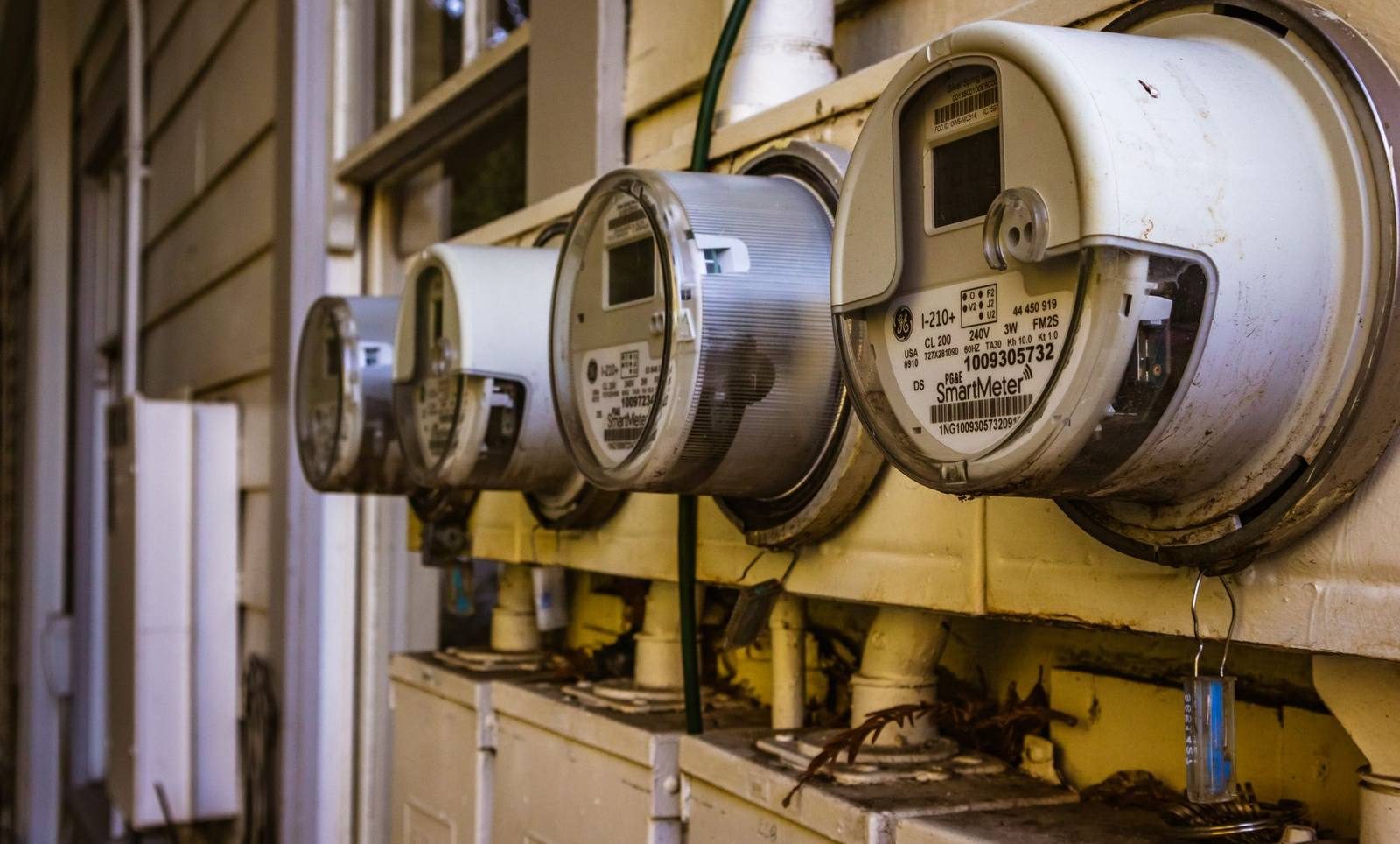
For a stretched household, a week of phone calls and a meter clicking off at midnight is a cost no tariff comparison captures. This risk hits vulnerable customers and those on complex tariffs hardest.
The price cap rose to £1,723 for the October to December 2026 period, up from £1,663.13. This represents a 3.6% increase, resulting in a difference of £59.87 for a typical annual bill. If your savings from switching are of a similar order, a single billing dispute or failed transfer can wipe that advantage out.
This is not certain to happen to you, but the financial friction is real. A low complaint rate does not make sure problem-free service, nor does a high rate mean you will personally have an issue. Published rates only count formal complaints, so they may understate the true experience. Smaller suppliers might show lower numbers simply because they have fewer customers. Always weigh the potential stress and time costs against the modest price difference before you switch.
What to do before you switch
Start by checking the supplier’s complaint rate on Ofgem’s published data for the most recent quarter. The spread across the major suppliers is wide, ranging from 10 to 1,965 complaints per customer base unit. A rate well above the 936 market average is a flag worth weighing, not a reason to automatically reject a deal. Remember that smaller suppliers may show lower numbers due to customer base size, so read this figure alongside other evidence.
Next, check whether the supplier has been subject to an Ofgem enforcement case or an Ombudsman ruling. This is a useful starting point for understanding where a company has historically fallen short.
Match the choice to your own situation. If you are on a simple dual-fuel deal and rarely need to call, a mid-range supplier is unlikely to cause trouble. However, if you are vulnerable, on a prepayment meter, or managing a split-meter property, weight the complaint rate more heavily.
Finally, keep a written record of every phone call, email and letter from the moment you switch. A dated paper trail is the fastest route to resolution and strengthens any Ombudsman complaint. Re-check the data each time you consider switching, because the rates are updated quarterly and a supplier’s position can shift.
- Look up your current supplier's complaint rate on Ofgem's published data for the latest quarter
- Compare that figure against the 936 market average and note whether the supplier you are considering sits above or below it
- Check whether the supplier appears in any recent Ofgem enforcement or Ombudsman ruling, especially around prepayment meters or billing errors
- List your meter type and tariff complexity on paper so you can judge how much weight to give the complaint rate in your decision
- If you do switch, log every call with the date, time, reference number and the name of the agent, and keep copies of all correspondence
- Revisit the complaint data at your next renewal or before any further switch, because the quarterly figures can move
Sources
- Energy: Ofgem energy price cap, typical dual-fuel household paying by direct debit, 2026-10-01 to 2026-12-31 (Ofgem, via StreetOwl)
- Which energy supplier gets the most complaints: Energy supplier complaints per 100,000 customer accounts, whole market, Q2 2026 (Ofgem (suppliers' own figures), via StreetOwl)
- Which energy supplier gets the most complaints: Agreed by suppliers in Ofgem cases listed on the tile, May 2025 to 2026-10-14 (Ofgem, via StreetOwl)
This digest was drafted by StreetOwl’s own model from published figures and the sources listed, then read and approved by Michael Rossi on 8 November 2026 before it went up. It is general information, not financial advice: your circumstances are yours, and for a decision that matters, MoneyHelper (free, government-backed) or a regulated adviser is the place to go. General information, not personal financial advice. Figures checked on the dates shown.
← Back to StreetOwl