
The health cover you may already have at work
Before you pay for private medical cover, check your P45 and contract. You may already have it, and the difference could stretch your household budget.
The cover you may not know about
Some employers include private medical cover as a non-cashable benefit. This type of arrangement often does not appear as a visible line on your payslip, which makes it easy to miss. If you buy a separate policy without checking first, you risk paying for the same cover twice. The level of cover varies widely between employers, so it is worth verifying what you already have.
This is not universal. Many employers do not offer such benefits at all. Even if your employer does, their policy might have waiting periods, exclusions or annual caps. In those cases, a separate policy may still make sense for your household. Always check your P45 or employment contract before purchasing any health insurance. This simple step can save you from duplicate costs. Remember, this is general information, not personal financial advice. You should verify the specific details of your own arrangement to ensure you are making the right choice for your needs.
Where to find it in your paperwork
Start by locating your P45, the year-end tax summary issued by your employer. Look specifically at box 10 or the benefits section, where non-cashable benefits are typically recorded. Your original employment contract or staff handbook should also name any medical cover and identify the provider, though the exact wording depends on the employer. It is easy to miss this information because the cover may be listed under a generic heading such as "medical scheme" or "wellness benefit" rather than by the insurer’s brand name. This makes it worth asking specifically for details rather than scanning for a familiar logo.
If you are unsure about the status of this benefit, your HR or payroll team can confirm whether the cover is active. They can also clarify what it includes and whether you are currently within a waiting period. This step is crucial because cover may be suspended or end if you change roles, go part-time or take extended leave. Relying on memory of a past offer is not enough; direct confirmation from the team managing your benefits ensures you have accurate information before making any financial decisions.
What that saved premium could earn
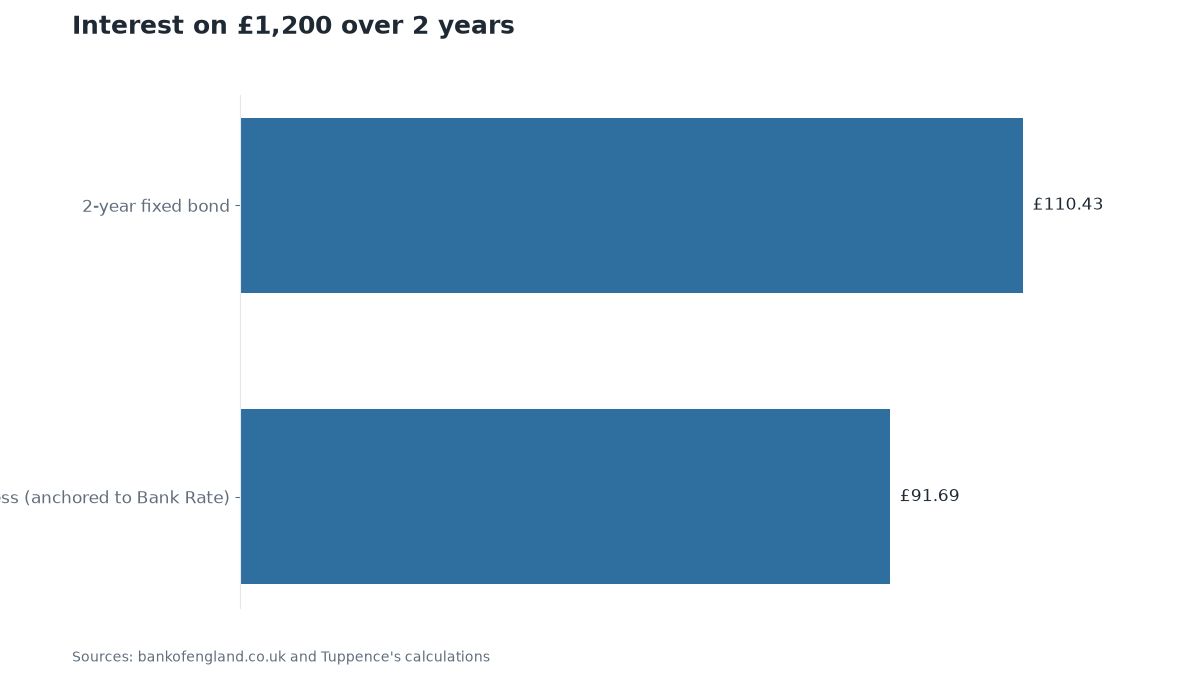
If you confirm you do not need a second policy, redirect that premium to a savings pot. The Bank of England’s official rate sits at 3.75% as of 8 October 2026, anchoring variable-rate products. Consider a worked example: redirecting a year’s duplicate premium, assumed at £1,200, into savings. Over two years, an instant-access rate earns £91.69 before tax, with interest added yearly.
Compare this to a 2-year fixed bond. Using an example rate of 4.5%, which is not today’s market rate, the same £1,200 earns £110.43 before tax. The fixed option yields £18.74 more. This highlights how a small rate gap affects your return. This is a general illustration, not a recommendation to invest or choose any specific product. Rates can change, and the Bank Rate does not make sure future returns. The goal is to see what money saved from a duplicate policy could do while sitting in a savings account.
A four-step check
Pull your most recent P45 and your signed employment contract or staff handbook. Scan these documents for any mention of medical, dental or wellness cover. Because employers often use generic terms rather than specific insurer names, you might miss the benefit if you are not looking for it. This initial check helps you understand exactly what is already on the table before you spend anything.
If your paperwork is silent on the matter, do not assume you have no cover. Contact your HR or payroll team directly to ask whether you are enrolled in a group medical scheme. Ask them to confirm what the scheme covers and whether it includes dental or optical benefits. This conversation is the most reliable way to get a clear answer, as the exact wording in your documents can vary significantly between companies.
Should you discover that you do have employer cover, read the policy document before making any decisions. Look specifically for waiting periods, exclusions and annual caps. These limitations might mean that a separate policy is still worthwhile to fill the gaps. If you decide you need additional cover, compare it carefully against what your employer already provides. This ensures you are not paying twice for the same benefit, which would be a waste of your hard-earned money.
- savings pot (a year's duplicate premium): £1,200
- years: 2 years
- example fixed rate: £4.50 %
- Photograph or download your latest P45 and open the benefits or box-10 section.
- Search your employment contract or staff handbook for the words 'medical', 'dental', 'wellness' or the name of a private provider.
- If you find nothing, email or call your HR or payroll team and ask whether you are on a group medical scheme.
- If you are, request the policy document and check the waiting period, exclusions and any annual claim cap.
- Only if your employer's cover has gaps should you look at a separate policy, and even then compare line by line so you are not paying twice for the same benefit.
Sources
This digest was drafted by StreetOwl’s own model from published figures and the sources listed, then read and approved by Michael Rossi on 11 October 2026 before it went up. It is general information, not financial advice: your circumstances are yours, and for a decision that matters, MoneyHelper (free, government-backed) or a regulated adviser is the place to go. General information, not personal financial advice. Figures checked on the dates shown.
← Back to StreetOwl