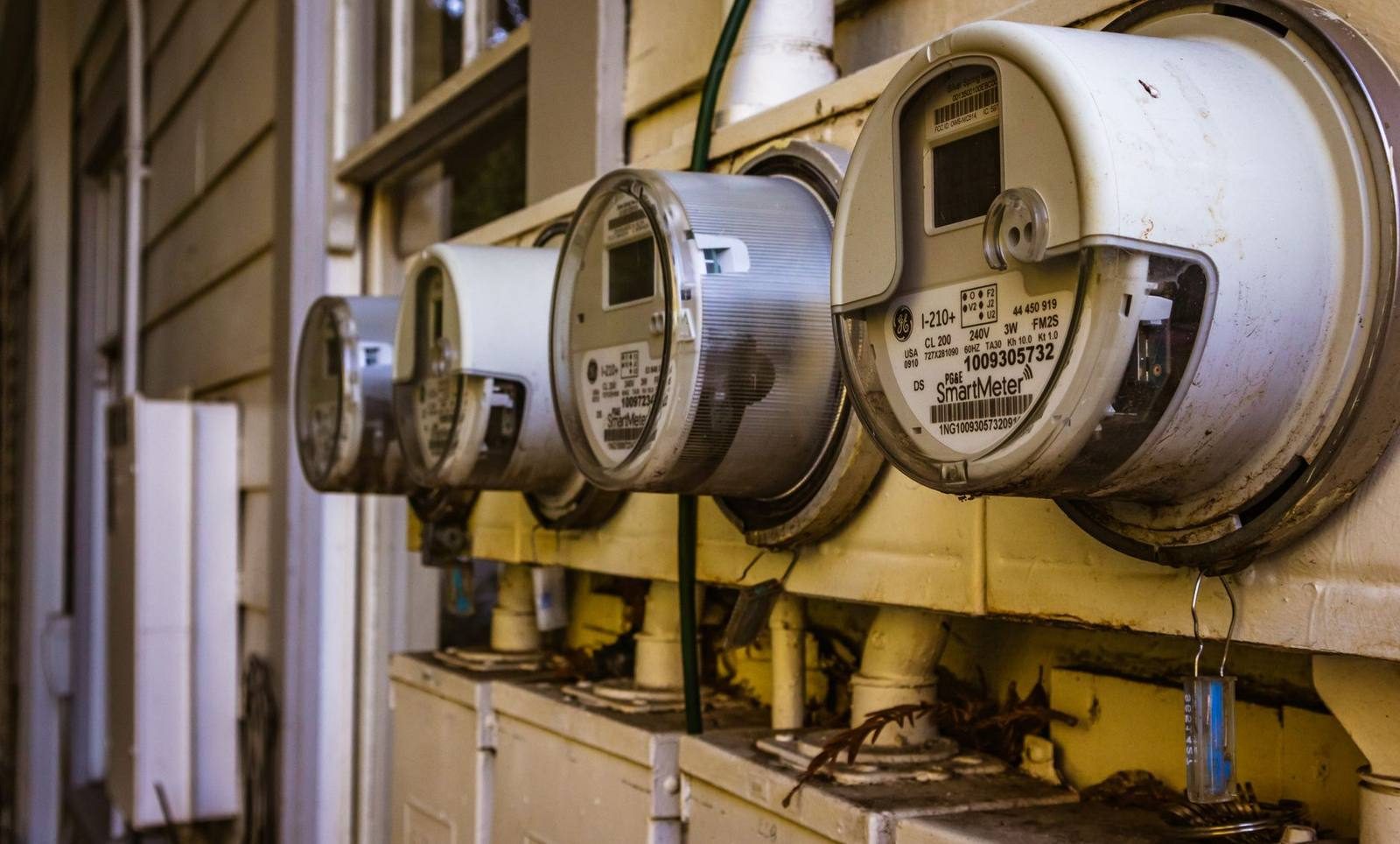
The energy cap went up 3.6% - but your tariff may be the real problem
The Ofgem cap is a ceiling on unit rates, not your bill. If you are on a standard variable tariff, a switch may save more than the quarterly cap change costs.
The cap is a ceiling, not your price
The Ofgem price cap sets a maximum unit rate and standing charge, not a fixed bill. Your total cost depends on usage; if you use more, you pay more. For a typical dual-fuel household paying by direct debit, the cap is £1,723 a year from 1 October to 31 December 2026. This reflects a 3.6% rise from the previous quarter.
Ofgem attributes 47% of this amount, about £810, to wholesale energy costs. Crucially, this ceiling applies to standard variable tariffs and expired fixed deals. If you are on either, your actual unit rates may sit above this limit. Therefore, the cap figure tells you nothing about your real bill, which could be higher depending on your supplier’s pricing.
Why your bill may be well above the cap
Wholesale gas in Great Britain averaged 7.54p per kWh in mid-November 2026, up 220% from 2.36p a year earlier. For a household using 9,500 kWh of gas a year, each 1p per kWh on the wholesale price is worth about £100 a year once 5% VAT is added.
The cap is set from prices averaged over the months before each quarter, so today’s wholesale spike feeds into a future cap, not this one. However, suppliers can adjust standard variable tariffs before the cap moves. This means the gap between the cap and a standard variable tariff can widen quickly when wholesale prices move, and the cap does not protect you from that gap.
Worked example: what the quarterly cap change is worth
The quarterly cap movement is a single-period adjustment, not a permanent price hike. It resets every three months and can fall just as easily as it rises. To see the real impact, let us look at the exact figures for a typical dual-fuel household paying by direct debit.
Before the recent rise, the annual cap was effectively £1,663.13. Dividing this by 12 months and multiplying by 3 gives a quarterly cost of £415.78. Under the new rules, the annual figure stands at £1,723. Applying the same calculation yields £430.75 for the October-December period. The difference between these two quarterly amounts is £14.97.
This small sum represents the total cost of the cap change for one quarter. Because the cap is reviewed regularly, this adjustment is temporary. If you are paying significantly more than the cap, this £14.97 increase is likely dwarfed by the gap between your tariff and the ceiling. Understanding this helps you focus on where the real savings lie.
Why a tariff switch beats a one-quarter cap blip
Switching tariffs reduces your unit rate for the whole deal, while the 3.6% cap change is only a single quarter’s adjustment. Over a year, a modest saving can exceed that temporary blip. If you are on a standard variable tariff, you pay the lowest regulated unit rate, so you are not absorbing a premium on top of the cap. Moving to a fixed deal locks in a lower rate for the agreed period, provided you compare like with like, ensuring the same fuel mix, payment method, and standing charge basis.
Be aware that fixed deals can expire and roll onto a standard variable tariff. The rate may also differ from the cap when your fixed period ends. If you leave a fixed deal early, exit fees may apply. Ensure the new contract’s terms suit your household’s usage patterns before committing, as the savings depend on how far above the cap your current tariff sits. This approach turns a temporary quarterly shift into a longer-term reduction in your energy costs.
What to do before you switch
Check your energy bill or app to confirm if you are on a standard variable tariff or an expired fixed deal. Note your current unit rates and standing charge, then compare them against the Ofgem cap for the current quarter. If you are above it, a cap-priced deal saves you the difference monthly for the life of the deal. If service quality matters, review supplier complaints data. In Q2 2026, complaints per 100,000 accounts ranged from 10 for Outfox Energy to 1,965 for Utility Warehouse. This spread suggests weighing reliability alongside price.
Also check your meter type and contract terms. This reminds you to verify your setup before switching. Finally, set a calendar reminder for the end of your new fixed deal. This ensures you do not silently roll onto a standard variable tariff again, leaving you exposed to future rate increases without fixed price protection.
- one quarter: 3 months
- annual gas usage: 9,500 kWh
- Open your most recent energy bill or your supplier's app and note whether you are on a standard variable tariff or a fixed deal, plus your unit rates and standing charge.
- Look up the current Ofgem cap for your fuel type and payment method, and compare it with the rates on your bill.
- If your rates are above the cap, use a price-comparison site to find a dual-fuel or single-fuel deal at or below the cap level, making sure the deal length suits you.
- Before confirming, check the supplier's complaints-per-100,000-accounts figure for the latest quarter if service quality matters to you.
- Set a calendar reminder for the end date of your new fixed deal so you can re-shop before it expires and you roll onto a standard variable tariff.
Sources
- Energy: Ofgem energy price cap, typical dual-fuel household paying by direct debit, 2026-10-01 to 2026-12-31 (Ofgem, via StreetOwl)
- Gas to energy bill: Wholesale gas, Great Britain, seven-day average, seven days to 15 November 2026 (Office for National Statistics (source: National Gas Transmission), via StreetOwl)
- Gas to energy bill: Energy price cap, typical dual-fuel household, direct debit, 1 October 2026 to 31 December 2026 (Ofgem, via StreetOwl)
- Gas to energy bill: What 1p a kWh on wholesale gas is worth a year, seven days to 15 November 2026 (StreetOwl arithmetic, via StreetOwl)
- Which energy supplier gets the most complaints: Complaints per 100,000 customer accounts: Outfox Energy, Q2 2026 (Ofgem (suppliers' own figures), via StreetOwl)
- Which energy supplier gets the most complaints: Agreed by suppliers in Ofgem cases listed on the tile, May 2025 to 2026-10-14 (Ofgem, via StreetOwl)
This digest was drafted by StreetOwl’s own model from published figures and the sources listed, then read and approved by Michael Rossi on 27 November 2026 before it went up. It is general information, not financial advice: your circumstances are yours, and for a decision that matters, MoneyHelper (free, government-backed) or a regulated adviser is the place to go. General information, not personal financial advice. Figures checked on the dates shown.
← Back to StreetOwl