
Tel Aviv
Tel Aviv (Hebrew: תל אביב, Arabic: تل أبيب) is the second largest city in Israel (after Jerusalem), and the largest metropolitan area. It is on the Mediterranean coast, about 60 km northwest of Jerusalem and 100 km south of Haifa. The official name is Tel Aviv-Yafo (תל אביב-יפו), and reflects the fact that the city has grown beside (and absorbed) the ancient port city of Yafo (English: Jaffa, Arabic: يافا Yafa), to the south of the new city center. Tel Aviv is home to most embassies in Israel. In Israel, Tel Aviv is known for being a liberal city, in contrast to conservative Jerusalem. It has a thriving LGBT scene, and the general social norms are similar to major American and Western European cities.
Most read about in August, least in April. That is when people look it up, which tends to run a month or two ahead of when they go.
Before you book
The Foreign, Commonwealth & Development Office publishes the UK’s official travel advice for Israel. It changes without notice and travelling against it usually invalidates your insurance, so read it at the source rather than anywhere else — including here.
FCDO travel adviceUnderstand

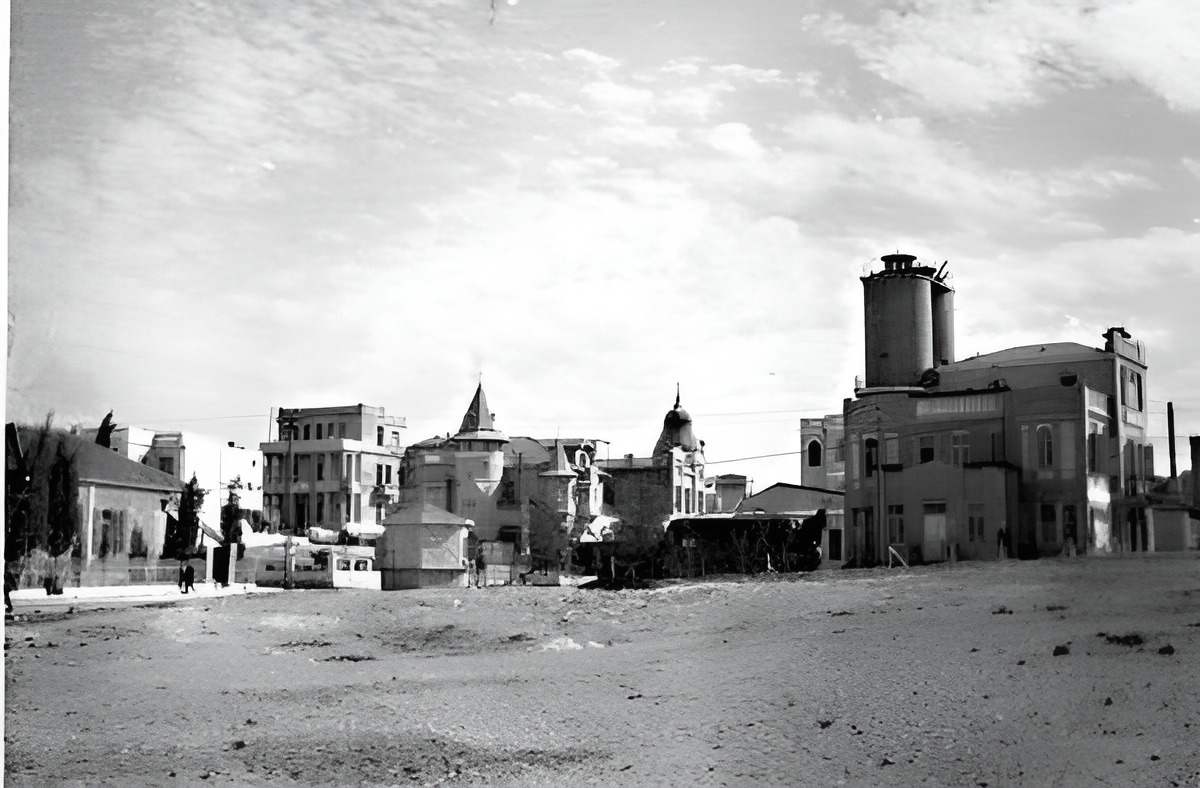
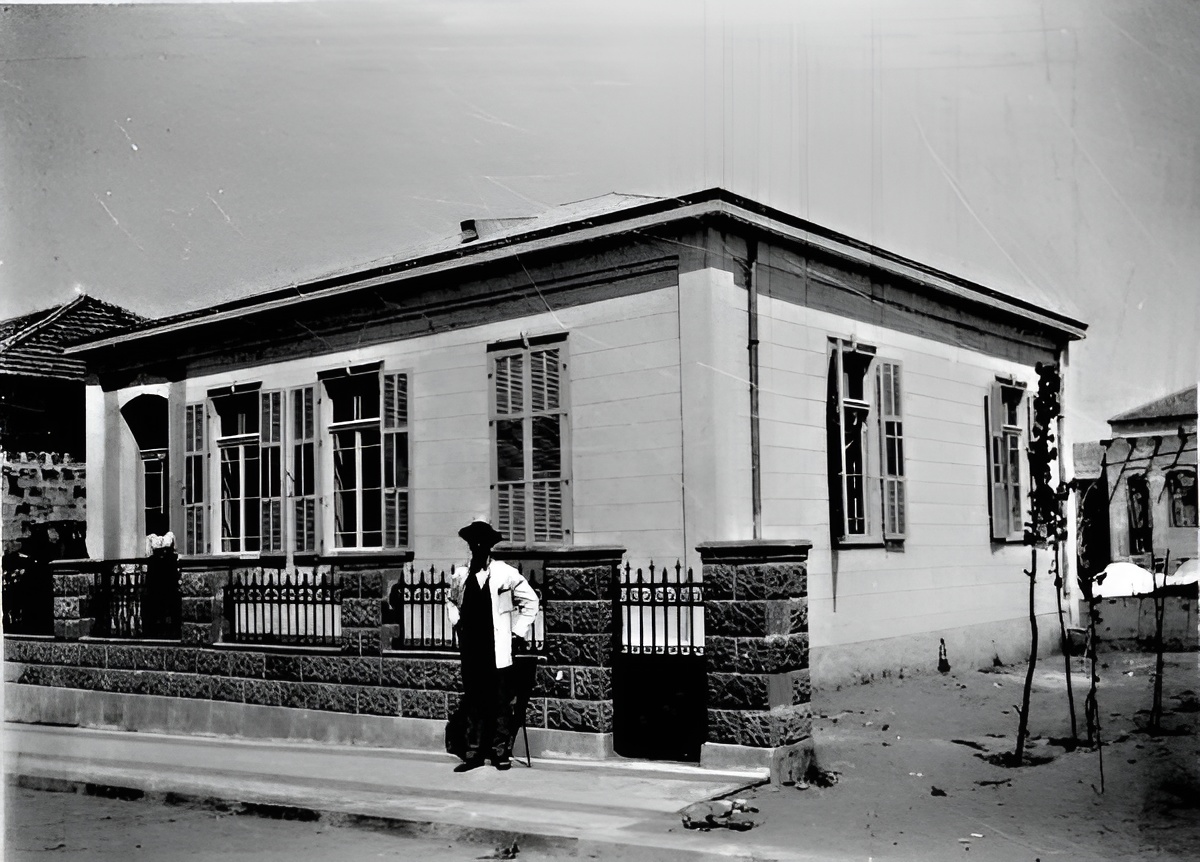
The smallish Gulf of Jaffa was the site of a fortified port town for at least 4,000 years. During the 19th century the town’s population grew from about 2,500 (1806) to 17,000 (1886). The old city walls could no longer contain the population, and they were destroyed in the 1870s. New, more spacious neighborhoods started to appear. Tel Aviv (meaning literally "Hill of Spring") was founded in 1909 by a group of distinguished Jewish residents of Jaffa. They envisaged a European-style garden suburb, with wide streets and boulevards. Leaving Jaffa wasn’t, however, only a question of an upgrade in lifestyle. Moving out of the Arab-dominated town also represented their belief in the Jewish national movement, Zionism. Before being a city, Tel Aviv was one of the many titles of Theodor Herzl's utopian Zionist book The Old New Land. Setting out with a grand vision, the 60 Tel Aviv founders started out by building the first Middle Eastern urban center with running water, no small wonder in that part of the world in 1909. Houses from this period can still be seen in the Neve Tzedek neighborhood. Tel Aviv grew steadily under Ottoman law until World War I. By the end of the war the British took over the Holy Land, an event the Jewish community saw as encouraging, while the Muslim community viewed it as a turn for the worse after Islamic rule. Tel Aviv was seen by nearby Arabs as a symbol of the growing Jewish presence in their homeland. In May 1921, an Arab mob attacked a Jewish immigration center, killing dozens of Jews. Another group broke the windows of stores in the Jewish street in Jaffa, and a mob armed with knives and sticks made its way towards Tel Aviv. Before 1921 most Jews worked and lived in Jaffa; after the attack, thousands of the 16,000 Jews of Jaffa moved north to Tel Aviv. The suburb had become a city and within a decade, Tel Aviv had become the center of culture, commerce and light industry for the entire Jewish population of the country (and the British soldiers). 1938 marked the opening of Tel Aviv port, an important milestone in the end of its dependency on Jaffa. By this time, Tel Aviv was already the biggest city in the country, with 130,000 residents. After Israel’s declaration of independence in 1948, Jaffa became a district of Tel Aviv and the city's name was officially changed to Tel Aviv-Yafo. Today, Tel Aviv-Yafo is the heart of a thriving metropolis. The greater metropolitan area is home to approximately 3.1 million people, with around 392,700 in Tel Aviv-Yafo, making it the second largest city in Israel after Jerusalem. Major suburbs of Tel Aviv include Bat Yam, Holon, Ramat Gan, Givatayim, Bnei Brak, Petah Tikva, Rishon LeZion, Ramat HaSharon, Rehovot and Herzliya. The entire metropolitan area is often referred to as Gush Dan. While Jerusalem is Israel's capital city, where most government departments are, Tel Aviv and its satellite cities form the economic and cultural center. Tel Aviv is known as "the city that doesn't stop", and you will find that the nightlife and culture are active around the clock. In summer it is not unusual to see the beach boardwalk bustling with people at 04:00, and the clubs and bars usually pick up around midnight until morning, giving Tel Aviv a well deserved reputation of being a party town. It is the pinnacle of secular life in Israel. Tel Aviv is likely the most liberal city in Israel and in the Middle East - as it is no less liberal than the major cities of Western Europe. It has a bustling civil society and is home to many activist movements and NGOs. Its residents tend to have liberal attitudes towards gay and lesbian rights, and, in fact, Tel Aviv hosts the largest gay pride parade in Israel. It is also a destination for gay Palestinian refugees, unable to pursue their lifestyle in the Palestinian territories. With its liberalism comes a dose of sophistication and some will say detachment, and Tel Aviv is often dubbed "The Bubble" or "Medinat Tel Aviv" ("The State of Tel Aviv", מדינת תל אביב) by residents and non-residents alike. Some ultra-Orthodox Israelis have even dubbed the city a modern day "Sodom and Gomorrah", due to its hedonistic reputation. The city's LGBT nightlife is concentrated around Rothschild Boulevard, the Florentin neighborhood, and Hilton Beach (the city's unofficial gay beach). For current listings of bars, clubs and events, see the Tel Aviv LGBTQ+ guide.
In July 2003 Tel Aviv-Yafo was declared a cultural UNESCO World Heritage site in recognition of the many "International" (or "Bauhaus") style buildings built here during the 1930s-50s. As this style emphasized simplicity and the color white, Tel Aviv is also called the White City.
Orientation
Tel Aviv lies alongside the Mediterranean coastline. Most points of interest for tourists are in the center district, a rectangle defined by the sea to the west, the Yarkon River to the north, the Ayalon highway to the east, and Salame Road to the south. Within this district, most of the attractions are to the west of Ibn Gabirol street, a large north-south street which divides the district into two roughly equal halves. Tel Aviv developed from south to north. At the southwest corner of the center district you will find old Jaffa. To its north is the first Jewish neighborhood outside Jaffa, Neve Tzedek (meaning "Oasis of Justice"). To Neve Tzedek’s east is Florentin (a 1920s light-industry quarter founded by Jews from Salonika in Greece, that has turned into a trendy neighborhood for young people, albeit with a large population of older and poor people); and then the Central Bus Station area, now home to foreign workers from around the world. To the north of Neve Tzedek is "Kerem Ha'Temanim" (the Yemenite Vineyard), a crowded but picturesque neighborhood dating to the early 20th century. East and north of here lies the city center, a chiefly residential area built in the 1920s and 1930s, where the majority of Bauhaus ("International") style architecture is to be found. Further north and east, the "old north" (not to be confused with "the north" on the other side of the Yarkon), is a more spacious residential area built during the 1940s and 1950s. Tel Aviv residents often speak of a north-south divide in Tel Aviv-Yafo. The north is usually associated with a continental, chic, and suburbanite lifestyle centered around Kikar haMedina and "Ramat Aviv". To the south, the city takes on a more working-class and Middle Eastern, albeit evermore trendy, urban feel. North Tel Aviv is generally residential and family-oriented; Tel Aviv Center is the hipper-younger area with many single people and couples in their 20s and 30s; south Tel Aviv is a rapidly gentrifying area with a mixed population, including older working-class people, artists and migrant African workers.
What's inside
Tel Aviv is a rapidly growing city in the midst of an exciting transition from medium-sized urban center to bustling international metropolis. Its booming population, energy, edginess and 24-hour lifestyle give the city a cosmopolitan flair comparable to few other cities in this part of the world. Tel Aviv is not really divided into districts, but rather into over 50 different neighborhoods. Some neighborhoods are really distinctive areas with different cultures (e.g. Neve Tzedek, Florentin, Ramat-HaHayal), while others indicate a geographical area. Tel Aviv grew mainly from the south to the north, so the further you go to the north the more you will encounter newer buildings and wealthier communities.
Getting there

Ben Gurion Airport
Tel Aviv's (and Israel's) main entry point from abroad is 1 Ben Gurion International Airport TLV IATA (referred to by its Hebrew initials Natbag by locals). You can arrive to the city center by train, taxi, or by hired car (it's a 20-min drive followed by a very long search for parking). There is no sherut taxi to Tel Aviv from Ben Gurion, although traveling by bus is possible. On Shabbat you will have a hard time reaching or leaving the airport. There's no bus or train; taxis still go but are extra busy, and charge extra. If you rely on public transportation, try not book a flight that lands in Tel Aviv Airport after 14:00 on Friday or before 20:00 on Saturday. If you go out of the terminal on ground floor and turn right, and head furthest distance out you will find buses to Tel Aviv and Jerusalem. Ask the bus driver to ensure you are getting on the right bus. By train: The airport train station is just below Arrivals in Terminal 3. Direct trains to Tel Aviv take 15-20 min and cost 4$ for a one-way ticket. Buy a ticket from the cashier or from an automatic machine; use it at the entry gate and again to exit at your arrival station. Better still, buy & use a Rav-Kav transport smart card, because you'll need one in the city (see "get around"), you may as well buy one now at the Kavim service center in the terminal, or issue a personal one for free. There are trains from Sunday to Thursday every 15 minutes between 05:30 AM to midnight, and on Friday morning every 30 minutes' and few trains on Saturday night. . All trains stop at all four Tel Aviv stations during the day, which in order of arrival from the airport (south to north) are Tel Aviv HaHagana (11 min travel), Tel Aviv HaShalom (14 min), Tel Aviv Merkaz/Savidor (20 min). From HaHagana Station there frequent buses to the tourist areas (4 or 104 to the city center, 54 to florentin and Jaffa). Even though getting there is not recommended in the evening as it is located among the slums of Tel Aviv. From Hashalom station you can use buses 62 and 115 to the hotels area of Tel Aviv. By taxi: Working 24 hours a day, 7 days a week, this is the most comfortable and expensive way to reach the city center, with a typical ride price of around 40$. If you travel with a friend or two, it can be a good idea to share a taxi. It is acceptable to sit in the front seat in Israeli taxis. Taxis are required by law to use the taxi meter, unless agreed otherwise by the passenger and driver, and a typical ride to the city center should not take more than 15–20 min, without heavy traffic. Do not accept fix-priced rides with taxi drivers unless you're sure of what you are doing; you will usually end up paying more than you could have had you asked to use the meter. By bus: If you are interested in a direct bus directly to the tourist centers, there is line 445 that leaves every hour, 24 hours a day 6 days a week. The journey from the airport terminal to the Tel Aviv hotels area takes between 30 mitunes in the middle of the night to 50 minutes in the busy hours of the afternoon.
Sde Dov
Tel Aviv's former "city airport" Sde Dov ceased operations in summer of 2019. Any signs or older reference material pointing you there will lead you to a demolition site and then to an assortment of nice beachfront property.
By train
Israel Railways operates trains from Tel Aviv to most parts of Israel, included Jerusalem, Haifa, Beer Sheva and the international airport with a frequency of 2 to 3 trains per hour from Sunday to Thursday. The train stations are close to the CBD of the city, but not to its tourist center, where the tourist attractions (except Sharona complex) and accommodation (except some business hotels) are between 1 and 3 kilometers from the train stations, so getting to them requires another city bus or a taxi. The trains on Sunday mornings are not recommended, when the soldiers return to their bases and students to the university. The trains end on Fridays at noon and resume on Saturdays after dark, to mark Shabbat. Tel Aviv has four train stations, east of the center along the Ayalon routes. Trains stop at all four stations during the day, but late night trains only stop at Central/Savidor. From south to north, as you approach by train from the airport, these are:
Getting around

By bus
Tel Aviv has a modern, regular, cheap and widespread bus network run mostly by Dan. The main bus lines start at 05:00 AM and stops at 1 AM; on Thursday nights, Saturday nights, and during all July and August, the main lines run all night. Between November and March, the bus service stops on Friday at 15:00 and resumes on Saturday at 18:00, and between April and October the service stops on Friday at 17:00 and resumes on Saturday at 21:00. Several smartphone apps, such as efoBus or Moovit or Google Maps, offer route maps and real-time bus arrival tracking and trip planning. Most buses and trains now have USB chargers. Since Jan 2019, you can't pay cash on the bus. You need to buy a Rav-Kav smart card from the driver or Rav-Kav service center for ₪5 (if getting from service center, you may as well just issue a free personal card) plus either stored value to cover how many journeys you need, in ₪30 or ₪50 increments. If bought from bus driver (₪10.90), this will only include 1 trip (not stored value credit) which will be immediately used for the current ride, so to use it afterwards, you need to search for a recharging point or use the mobile app to recharge if you have a supported NFC module in your phone. See Public transit in Israel. The basic stored value fare up to 15 kilometers is 5.50 off the stored value balance; each ride includes 90 min transfers in the area. Or you may as well load up an appropriate periodic pass to cover your journeys. Think about how much is left on your card before travelling to an edge-of-city location that might not have a top-up point: your credit is shown after each validation on the validator screen. Popular routes for tourists include:
Bus 4 connects from Hatikvah neighborhood, to the Port of Tel aviv via Haganah train station, The Central Bus Station, Central of Tel Aviv, Carmel Market and the beach. Bus 5 goes through Rothschild Boulevard, Dizengoff Street (including the Dizengoff Center Mall), and the 2000 bus terminal. Bus 10 goes through Tel Aviv University, Port of Tel Aviv, the beach and, the old city of Jaffa. Bus 18 connects 2000 bus terminal to the city center and the old city of Jaffa. Bus 25 goes through Florentin, Rothschild Boulevard, Dizengoff Center Mall, and Tel Aviv University. Bus 62 and 115 connects between the beach to dizzengoff street, Sarona, and Hashalom Train Station. Bus drivers in Tel Aviv speak and understand English reasonably well, and are usually helpful, but always in a hurry. They can't top-up Rav-Kav cards. Route 100 was a tourist-oriented route which did pass by tourist sites all across Tel Aviv, but as of summer 2019, ceased operation. Be aware of outdated tourist maps that might lead you to a location where that bus supposedly stop, while it's not.
By bus on Shabbat
As of November 2019 the City Hall of Tel Aviv and adjacent cities (Ramat haSharon, Giv'atayim and Kiryat Ono) have started a joint pilot of (at first free) 19-seat minibuses running on Shabbat. Every third bus (so in 1.5 hour intervals) has accessibility measures for disabled passengers. Lines 705, 706, 707, 708, 709 and 710 operate every 20 minutes from 17:00 until 02:00, and on Shabbat from 09:00 until 17:00. Official line map is posted here (you need to tick some lines on the legend though), on stops where these lines pass on, and in the popular transit mobile applications (Bus Nearby, efoBus, My-Way). Schedules and line maps may change if/when more adjacent municipalities join the project.
See

Individual listings can be found in Tel Aviv's district articles
Tel Aviv is a big place, and these listings are just some highlights of things that you really should see if you can during your visit. The complete listings are found on each individual district page alongside many more things to see in each district. Starting in the North, the Tel Aviv Port is one of the most dynamic areas in Tel Aviv, including a multitude of shops, restaurants and nightclubs. Inland is Yarkon park, the city's central park along the Yarkon River. Going into central parts of the city, you will encounter Rabin Square, the largest public square in Israel. Nearby is another important square, Habima Square. It is home to a number of cultural institutions such as the Habima Theatre, the Fredric R. Mann Auditorium and the Helena Rubinstein Pavilion for Contemporary Art. A bit west of Habima Square is the Dizengoff Centre, Israel's most iconic shopping centre with a very lively food market every Thursday and Friday. To the east, in turn, is the district of Sarona with restored German Templer architecture, known for its picturesque paths and buildings, upscale restaurants, and luxurious food market, and the Azriely Center Observatory that you can climb to the top of the mall for a nice view of the city. Further south in central is the Rothschild Boulevard with a lot of Bauhaus architecture, restaurants and cafes in what's regarded as Tel Aviv's prettiest street. Towards the sea, you can find the Carmel Market and Nachalat Binyamin arts and crafts fair. The largest and most famous market in Tel Aviv, Carmel Market is open all week except Saturday. Nachalat Binyamin Arts and Crafts Fair is one of the most famous in the world. Highlights in the south and east include the Levinsky Market, an extremely colorful outside market, and the Central Bus Station. Planned by overambitious architects, the station's incomprehensible vastness, multiple levels and intertwining corridors make it a model for what an urban jungle would feel like. There's also the Florentin neighborhood, a previously run-down but beautiful area, which is now gentrifying. In the southeastern suburbs there's the large Park Ariel Sharon. It contains the massive "Hiriya" garbage dump, which is being redeveloped as a nature and recreation site. You can visit the top of the 80m-high garbage mound, which is quite pleasant and has a stunning view of the Tel Aviv skyline. Park your car at the site entrance and wait for a shuttle to take you up (the last shuttle leaves around 15:00). You can also walk up on foot, if you can deal with the smell of a garbage reprocessing facility which still operates (due to the prevailing winds, there are no smells on top of the mound). Jaffa, right southwest of Tel Aviv, features the Jaffa Clock Tower and one of the oldest ports in the world, now a must-see, holds various shops, restaurants and events. Jaffa also has an outdoor Flea Market & Bazaar, a market where you can buy almost anything for low prices.
Museums
Tel Aviv is home to a large number of museums. Some of the best known ones are Anu (the Museum of the Jewish Diaspora) and the Land of Israel Museum in North Tel Aviv, and the Tel Aviv Museum of Art in the center. Also worth visiting is Bialik Square, a beautiful Bauhaus square including the following museums: Bauhaus Center Tel Aviv, Bialik House, The Museum of Town History, Rubin Art Museum. North Tel Aviv houses the Rabin Museum, about the Israeli prime minister who came closest to peace. While Tel Aviv's population tends to be politically dovish and involved in peace activism, Tel Aviv is nevertheless home to many of Israel's military museums, which record an important aspect of Israel's history. Leading up to 1948 there were a number of different Jewish militias - the mainstream Haganah, the elite Palmach, the right-wing Etzel (Irgun), and the more-right-wing Lehi (Stern Gang) - and each has a museum of its own in modern Tel Aviv. Ideally, one should see two museums corresponding to different parts of the political spectrum - the Palmach Museum and Etzel 1948 Museum are recommended - to get a nuanced overall view. In some museums, you can hear personal stories from veterans who volunteer there - call ahead of time to find out. If you are interested in physical military artifacts like tanks and rifles, the place to go is the IDF History Museum, which has a large connection of these artifacts.
Do

Individual listings can be found in Tel Aviv's district articles
There’s a lot to do in Tel Aviv. For the biggest selection, check out the individual district articles. These are some of the highlights. Tel Aviv is known as the White City with the world's largest collection of Bauhaus architecture. Enjoy a guided tour of the Bauhaus district. A visit to Tel Aviv isn't complete without a dip into its fantastic beach scene which is at its best in summer, especially during Friday afternoons, when crowds of buff beachgoers converge to take in the Brazilian drums, the smell of barbecues, the thwock, thwock of "matkot" as the sun sets. In early summer be careful as there may be jellyfish in the water. Ask the lifeguard or locals about the current conditions. An interesting way of getting to see the city is to rent a bike and bike the length of the coastal boardwalk from Jaffa to Tel Aviv Port, then turning inland and biking along the Yarkon River banks, then returning to where you started. The entire trip is on paved bike paths, and can be as long as 13km each way, or shorter if you prefer.
Performing arts
Tel Aviv has the widest selection of performing arts in Israel.
Shopping

Individual listings can be found in Tel Aviv's district articles
Markets
Tel Aviv's markets are the best show in town, and they're bustling all day long. A Middle Eastern mélange of tastes, scents, sounds, colors – and lots of people. Friday is the busiest day when most Israelis do their shopping until the afternoon. Closed Saturdays. Tel Aviv's most famous market is the Carmel Market, which mostly sells fruit and vegetables, but also candy, clothing, toys, cellphone accessories, kitchen gadgets, and other goods. It is in Tel Aviv Center not far from the beach. The Levinsky Market, not far to the south, is the best place to buy spices, dried fruits, and different kinds of legume. A more upscale option is the Sarona Market, which has a variety of luxury foods and restaurants in picturesque surroundings. Finally, HaTikva Market in the southeast of the city is reputed to be the most "authentic" market, keeping its atmosphere as the other markets have gentrified somewhat. If you are interested in furniture, antiques, or arts and crafts, there are markets for this too. At the Jaffa flea market, stretching over a number of streets in the old Jaffa district, you can find almost anything, but it is best for antiques. The Nachalat Binyamin arts and crafts market and Dizengoff antiques and secondhand market in Central Tel Aviv are equally good, but are only open two days a week.
Malls
As malls are good places to catch some air-conditioning during hot Israeli summers, they have quickly become a preferred place of entertainment for the locals. The variety is usually mid-range, mainstream, with both international and local brands. In Tel Aviv Center, Azrieli Center is the busiest mall. This area is also home to Dizengoff Center, the first mall built in Israel, as well as Gan Ha'ir, which is next to Rabin Square. North Tel Aviv is the most upscale part of the city, and unsurprisingly the Ramat Aviv mall is also upscale. The New Central Bus Station, designed as a combined bus station and mall, has large numbers of stores which now cater to a lower-class crowd, particularly migrants and workers from Third World countries. There are also a large number of vacant stores.
Eat
Individual listings can be found in Tel Aviv's district articles Tel Aviv has an amazing variety of restaurants for every taste. There are plenty of fast food restaurants, offering both international and local Israeli food. One can get a decent meal, including falafel or hummus on every street corner. You can also eat a toast, sandwich or some other snack at one of the cafes around the city. Many fruit juice parlors are around. The city is also known for being one of the best destinations for plant based eating. More than 30 restaurants cater to vegans with a wide range of cuisines and price ranges. The landmarks are Meshek Barzilai in Neve Tzedek, Anastasia on Frishman street and 416 near Sarona. You will also find many plant based options on the menu of most restaurants. Finally, Tel Aviv's ice cream parlors offer much more than basic flavors, as the taste buds are eclectic and strive for new flavors, such as Halva, poppy seed, and even a touch of alcoholic liqueurs in the ice cream (try these places: Vaniglia, Iceberg, Gelateria Siciliana, Dr. Lek and Aldo). Like everything else in Tel-Aviv, food can be prohibitively expensive.
Drink

Individual listings can be found in Tel Aviv's district articles
Tel Aviv is called "The city that never stops" by tourists and locals alike. It has a wide range of pubs, bars, clubs and it is known worldwide for its nightlife. The entire city is crawling with nightlife attractions and you would actually have to work pretty hard to find yourself further than 500 meters away from a place to have a drink. People from all the surrounding region come to Tel Aviv to have a drink or a party so on weekends traffic is hectic at late hours and finding a parking spot is somewhere between hard and impossible (so sticking to cabs is not a bad idea). Buses stop running at sundown on Friday and only start again after sundown on Saturday, so if you go out on Friday night you may find yourself forced to take a cab if you cannot walk! But any day is a good day to party in Tel Aviv, not just the weekends. New places are opening and closing every day and the "hottest spots" change every couple of months, so no internet guide will be able to direct you to the hippest place (even though some may try). Checkout up to date event and party sites. Many places in Tel Aviv have minimum age limitations that vary from 18 to 30. Usually the limitation is different between males and females and while some spots may be flexible others will be as strict as possible. Israel has no unique drinking culture so any place with any self-respect will have the entire world wide alcohol selection available, from Wine and Beer to Tequila, Arak, Vodka, Whiskey and Cognac.
Pubs
The entire city is full of spots to hang out, and there are streets and areas that stand out with even more pubs/clubs, have a look at the districts detailing the scene. There are a few well-known pubs that specifically cater to foreigners. Mike's Place, next to the American embassy, is an American-style bar which attracts a mostly-Anglo 20-30 something crowd. Molly Bloom's Irish pub and the English Pub, not far from Mike's Place, host many people from the UK and Republic of Ireland.
Sleep

Individual listings can be found in Tel Aviv's district articles
Tel Aviv has a wide variety of accommodation options, from camping and backpacker hostels, boutique hotels, right up to luxury 5-star hotels. The main area for a short term stay is in the center with a big hotels strip on the beach and many accommodation options all around. The center should be your default place to stay. Some places can also be found in the south and will usually be cheaper (except the David Intercontinental). Another option to cut expenses a bit is to sleep in the nearby towns instead of actually staying inside Tel Aviv. This is a very common practice for young Israelis that want the Tel Aviv lifestyle without the Tel Aviv cost. The most common options are Ramat Gan, Bat Yam, Holon and Givatayim.
Go next
Haifa – The second-holiest city in the Bahai faith, including its great garden down the northern slope of the city. Jezreel Valley – Famous for Tel Megiddo (Armageddon) National Park and Mount Gilboa overlooking it. Druze Villages in the Carmel Range: 30 min by service taxi (monit sherut) or longer by bus, line number 37א, to the closer village of Isifya or the more distant village of Daliyat el-Carmel. The tourist-oriented bazaar has inexpensive shops and you can top off the visit in one of the excellent Mid-Eastern restaurants. Caesarea & Zarqa Bay – Extensive archaeological site north along the coast, and beautiful but not crowded beaches. Jerusalem – an ancient city holy to the three Abrahamic religions Dead Sea – at the lowest point in the world, it's a sea so salty that virtually nothing can live in it and swimmers float without even trying Hebron – BTS offers tours of this city under occupation in the West Bank. Bus leaves from Tel Aviv, registration required in advance.
More pictures of Tel Aviv


From this destination's category on Wikimedia Commons. Each photograph is credited to its own author under its own licence.
The guide text on this page is from the Wikivoyage article Tel Aviv, written by Wikivoyage contributors and published under CC BY-SA 4.0. The authors are listed in the article’s edit history. It has been shortened and re-laid-out for this page; that adapted text is available under the same licence. Nothing else on this page is.
Wikivoyage is written by travellers, not by us. Opening hours, prices and whether a place still exists are exactly the details that go out of date, so check anything you are relying on.
“1,372 readers a month” and the ranking are ours, counted from Wikimedia’s published pageviews (CC0) — the median of twelve complete months. They count people reading about a place, which is not the same as people going there.