
Santiago
Santiago is the capital and economic center of Chile. With its many museums, events, theaters, restaurants, bars and other entertainment and cultural opportunities, it is also the cultural center of the country. For visitors it's both the gateway to the country and a destination in its own right with an eclectic architecture, a vibrant culinary and cultural scene, surrounded by the mighty Andes welcoming skiers, trekkers and friends of wine. Its central location in the country makes it a great base for visiting other areas, and it is possible to ski in the nearby Andes and later be on the beach in the same day.
Most read about in January, least in April. That is when people look it up, which tends to run a month or two ahead of when they go.
Before you book
The Foreign, Commonwealth & Development Office publishes the UK’s official travel advice for Chile. It changes without notice and travelling against it usually invalidates your insurance, so read it at the source rather than anywhere else — including here.
FCDO travel adviceUnderstand

Santiago is a fast-growing city in the Santiago Región Metropolitana, in the central valley of Chile between the Andes mountain range to the east and the Coastal Range to the west. The metropolitan area has about 7 million inhabitants. Founded in 1541 as Santiago de Nueva Extremadura by the Spaniard Pedro de Valdivia, it has been the heart of the country since colonial times and has evolved to the cosmopolitan city it is today.
History
The Santiago valley has been inhabited for thousands of years by different peoples. The Inca empire, and with them the Inca road network, extended here in the late 15th century. Not long after emerged the Spanish conquistadors, and on February 12, 1541, Pedro de Valdivia founded "Santiago de Nueva Extremadura" as the capital of the Captaincy General of Chile. During the following centuries functioned as the headquarters of the Spanish for their wars against the native Mapuche people further south, during which time the city was ruined two times by earthquakes. From the 19th century onwards, Santiago followed a similar path as many other South American cities. Independence was followed by rapid expansion and modernization and many of the city's major buildings, cultural institutions and parks were established at this time. Also the railway network to other parts of the country was greatly expanded. European immigration was from the 1930s onwards followed by immigrants from rural Chile and the city already had 3 million inhabitants by the middle of the 20th century. The next major event in the city's history took place in 1973, when Marxist president Allende was ousted in a military coup. The military dictatorship that followed lasted until 1990. Today, Chile is a safe, democratic and stable country and one of the richest in Latin America.
Geography
Santiago sits in the middle of the Maipo river valley, at the place where it is joined by its tributary Mapocho, and the city is surrounded by mountains of various elevations, the highest of them Tupungato (6,570 m). Many of them are active volcanoes, and the soil has been covered in ash for millennia making it very fertile and high-quality grapes and other fruits are widely grown just outside the city. The city sits between 400 and 540 meters above the sea level, but with many "hill islands" here and there including Santa Lucia, Cerro Calan and Cerro San Cristobal, the most emblematic top of the city. The Andes on the east side are noticeably higher than the Chilean Coastal Range on the west, wherefore east and west are often referred to as "up" or "down" by locals. The administrative conurbation of Santiago is made up of 37 municipalities, of which the most important is Santiago Centro, where the main public institutions of the country and the old town are found. The east of the city is the financial center of the country.
Getting there

Upon entry, all tourists are issued a tourist card good for 90 days. Take care not to lose the stamped tourist card as it is required to exit the country. If you happen to lose it you must get it reissued by the PDI (Policía de Investigaciones) before attempting to leave the country.
By plane
1 Aeropuerto Internacional Comodoro Arturo Merino Benítez (SCL IATA, also known as Pudahuel Airport after the municipality it's in). Is the main Chilean gateway for international flights. The travel time to the city center has been drastically reduced with the construction of a tollway, the Costanera Norte. Aeropuerto Internacional Comodoro Arturo Merino Benítez has flights from most continents, with major flight routes to North America, Europe, the Middle East and is the only South American airport to have flights to Oceania. The airport is also a major hub for Latin America. Travelers from Albania and Mexico, must pay a reciprocity fee upon entry to the country by air. This is in response to these same countries' visa fees for Chilean citizens. The one-time charge must be paid in cash (US dollars) or credit card before passing through immigration and is valid for the life of the passport. The fee for Albanians is US$30, and US$23 for Mexicans. There is no fee to enter by land. If paying by cash be aware that the bills must be in near "perfect" condition, no ripped bills. There are taxis waiting immeditiately outside the terminal. There are two public bus companies that run into town: Centropuerto and Turbus. You can purchase a one-way ticket for 2,000 pesos. Follow the signs to the bus terminal. It is a 5-minute walk from arrivals. There is also the public Red bus line 555 that runs between the metro station Pajaritos and the parking space for the employees of the airport. It works with the Metro card and a ride with the bus (or bus+metro) counts as a standard ride (<= 800 pesos). The card can be bought and charged at Metro stations, but not in the bus. From the parking space runs a free shuttle bus to the terminals. Transvip and WeTransport offer shared and private transport to and from the airport. If you are renting a car, the rental car company counters are all together to your left after clearing customs in the international terminal. There is a separate set of rental car counters before customs (so you can rent a car while waiting at the baggage claim), but they are not always staffed. After you get your contract, you have to walk outside, turn left, and walk east, then cross the street to the south to a small lot where the rental cars are kept and present your contract to the attendant on duty to obtain your rental car. When you return the vehicle, you must return to the same lot. Because the airport rental car lot is far too small, traffic jams and delays are frequent, so arrive early. At return, the attendant inspects the vehicle and fills out a return checklist form in carbon copy, then gives you one of the copies, which you bring back to the inside counter to close out your contract.
By train
Trenes Metropolitanos provides multiple commuter and interregional trains from the 2 Estación Central train station (Metro Estación Central, Line 1) to the vast wine and agriculture valley to the south. The central station, designed by Gustave Eiffel, used to be the center of an extensive passenger railway network, which has been closed down just like in the rest of South America.
Getting around

Transantiago
Transantiago runs the metro and main bus lines in the city. Fares on public transport can be paid only with a bip! card. Beginning February 2026, contactless credit / debit cards can be used on the metros. Bip! cards can be bought and recharged at any metro station (1,550 pesos for the card, minimum recharge 1,000 pesos) or at a Centro bip!. They are good for both the metro and bus and allows you unlimited transfers between the two within a two hour period — you still have to swipe your card when boarding the next metro train or bus, but there is in general no deduction. In the peak period, when traveling with a ticket activated on a metro and you're transferring to a bus (or the other way around) there will be a small deduction. You cannot return the card nor get a refund, think twice before adding too much money. However, you can use the card for several people, you just have to swipe for the second person as well. So, you might decide to only get one instead of two if you are traveling together. The free transfer between metro and bus for the other person does probably not work then. The fare depends on when you've started your journey; tickets cost 800 pesos for trips commenced during the peak periods (07:00-09:00, 18:00-20:00), 720 pesos for shoulder periods (06:30-07:00, 09:00-18:00, 08:00-20:45) and 640 pesos for low periods (before 06:30 and after 20:45).
By metro
The Santiago Metro system is the second largest in Latin America and has seven lines and 136 stations, with many holding rotating art exhibitions. The lines 1, 2 and 5 pass through the historical center and 4 and 4A mostly serve the east of the city. As it is a very popular mode for getting around, the metro can be crowded during rush hours. Trains run between roughly 06:00 and 23:00; each station posts the exact hours above the staircases leading down into the stations. Buses run parallel to subway lines after hours.
By bus
Transantiago buses are mostly modern and run around the clock on the main lines. If you know a little Spanish, you can find route information on the Transantiago website. On Sundays 10:00–18:00, Transantiago operates a "cultural circuit" , where a specially-marked bus runs between major tourist and cultural destinations for the normal fare.
See

See #Districts for listings.
The Historical Center is the place to go for historical sights. For over five centuries this has been a governmental seat, and you can find buildings of great historical significance here. One of them is the modernist colonial Palacio de la Moneda, built for minting of coins. From the mid-19th century it has also been the residence of the president until the coup of 1973 when it was bombed. The damage was repaired and it's still the residence of the president today. South of the palace is Alameda, the main drag of the city with the central university building (Casa Central de la Universidad de Chile), the San Francisco church and the Santa Lucia hill with great views of the old town. Plaza de Armas opposite the university building is the most lively area of the downtown and in addition to vendors you can often find artists, comedians and singers performing here. Nearby you can find the Metropolitan Cathedral, the Palace of the Royal Court (nowadays a museum) and the mayor's residence.
Going north from Plaza de Armas you'll come to the Mercado Central, with plenty of restaurants. East along the Mapocho river's southern bank you'll be at Parque Forestal and Museo de Bellas Artes as well as the vibrant neighborhood of Lastarria with plenty of cafés, restaurants and art galleries. Bellavista north of the river is a nightlife hotspot and there you can also visit the mythical home of the poet Pablo Neruda. You can also take the funicular or walk up the Cerro San Cristóbal for some of the best views of Santiago and the Maipo Valley. Southeast there is Providencia where you can find trendy shops and further away Sanhattan's skyscrapers including Gran Torre Santiago, the tallest in Latin America and second tallest in the Southern Hemisphere. Westwards there's Quinta Normal, a huge park surrounded by museums.
Do

See #Districts for listings.
Santiago is known as a cultural hotspot. Among other things, the city is home to an impressive jazz scene, with several intimate clubs scattered throughout the city, a famous one being Club Jazz in the Nuñoa district. In the Providencia district a jazz festival takes place each January with both local and foreign bands playing. For current theater, dance, and concert listings can be found in the El Mercurio newspaper. For a broad variety of art and culture, visit one of several cultural centers around the city, featuring exhibitions, performances and workshops. At some of these you can buy local art and handicraft too (refer to the Buy section for more shopping). You can also take a pleasant walk in one of Santiago's many parks. Some of these, like Cerro Santa Lucia and Parque Metropolitano offer great views over the city. If you want something more than just hiking or taking the cable car up a little hill, take on the higher "hills" outside the city. Contact one of the local mountaineering clubs and go on a trek to some of the highest mountains in the world outside Asia, or if you like skiing, hit the slopes of El Colorado (Chile). Central Chile is famous for its wines and wineries. There are many wineries in the outskirts of Santiago, both inside and outside the city borders. Many offer tours to visitors, wine tasting and on-premise restaurants.
Shopping

See #Districts for listings. Santiago has a lot of shopping malls all around the city. In the malls you can find a variety of retail stores and Falabella, París and Ripley, the most famous department stores in Chile.
Downtown and Providencia
For shopping in central Santiago, head to Paseo Ahumada, a section full of different shops between the main street Alameda and Plaza de Armas. If you prefer buying handcrafts, the ones in the Centro Artesanal Santa Lucia are good and relatively cheap compared with other handcrafts stores. Other handcrafts centres are in Bellavista (though a bit more expensive). Providencia has a large selection of shops along Avenida Providencia.
East
The largest malls are Parque Arauco and Alto Las Condes, both have good restaurants and the former also has free music and shows. You can get to Parque Arauco from Metro Escuela Militar (Line 1) and to Alto Las Condes from Metro Los Domínicos (Line 1); ask locals for directions if you're unsure of how to take buses. Alonso de Córdova Street and Nueva Costanera Avenue are very exclusive areas where you can find high fashion and luxury stores like Louis Vuitton, Hermés or local designers. In this area you find great restaurants and art galleries. Steps from Metro Los Domínicos (Line 1) is Pueblito Los Domínicos. It is more expensive but has a wide variety of local handcrafts and antiques, as well as a small exhibition room and a bonsai exhibition behind it. It is very pretty with an artificial stream in a colonial-looking atmosphere. Half of the people there are usually tourists during the summer, so you won't be alone! Plaza Nuñoa has some small shops in the plaza where you can buy books from Latin America (Neruda, Allende, Cortazar) and also handcrafts.
Eat

See #Districts for listings.
In downtown and the east of the city you can find both global and domestic fast food chains. Why not opt for the latter and have a completo, the Chilean version of the hot dog with tomato, mayonnaise, sauerkraut or a italiano hot dog with tomato, avocado and mayonnaise. In addition there are small sandwich places known as "picadas" serving different kinds of sandwiches (some of them with huge steaks) and pies. There are also street food carts where you can find local specialties like sopaipillas (buns) stuffed with fried pumpkin and mote con huesillo, a soft drink with peaches and wheat. The traditional cuisine of central Chile is centered around barbecued meat (beef or pork) with tomatoes, potatoes or corn. Local specialties include cazuela (a soup), porotos con riendas (beans with pasta), porotos granados (a vegetarian bean stew), charquicán (stew of beef and potatoes, topped with an egg), pastel de choclo (corn pie) and as we're in southern South America — asado (barbecued meat). Seafood is not as common in Santiago as you might expect, though if you want some, the restaurants at the central market are the place to go. You can get vegetarian and vegan food but it will likely be some version of pizza, pasta, and burgers.
Drink
See #Districts for listings. Nightlife choices vary widely across the city and their location usually reflects their price and style.
Barrio Bellavista and Barrio Brasil are popular spots close to downtown. The Bohemian Bellavista can be reached by Metro to Baquedano, or by bus to Plaza Italia. Cross the bridge will bring you to Pio Nono, which probably has highest density of bars, pubs, and clubs in Chile, including some LGBT places. By law, everything closes down at 05:00, though you may be able to join people for afterparties elsewhere. Barrio Lastarria has more sophisticated and relaxed bars, pubs, cafés, many of which have an interesting history. It's also a district for fine dining. The historic center likewise has many traditional places to have a drink, some of which have retained an ambience from the early 20th century. One of them is La Piojera, with its signature terremoto (earthquake) drink with wine, Fernet and pineapple ice cream. Plaza San Enrique is a park in Lo Barnechea (at the far northeast of the city) which is surrounded by nightclubs. The most popular one is Sala Murano (it can get very crowded!) People who attend are mostly aged 18-25 and it is one of the safest places to party. Most people there are from upper-middle to high class, so it is more expensive than other neighbourhoods. Typically, women get in for free, while men pay around 3,000-5,000 pesos. You can get there by buses, but though buses do pass later on, you might have to wait up to an hour for it. Plaza Ñuñoa is a district east of the central area and is another popular spot nightlife spot. Vitacura is pretty far east (towards the Andes). It is composed of bars and some places where you can dance. The places are nice and it can be fun to go. It is more expensive that other areas of Santiago and frequented by people that live in the eastern (wealthier) side of the city. Although you can get there by bus, it will be hard to leave on anything but a taxi since buses don't run late.
Sleep

See #Districts for listings.
All types of accommodation, from top class hotels to backpacker hostels are available. As a general rule, lodging gets more luxurious and expensive the further east you travel. Classic, mid-range hotels can be found downtown, and in the nearby residential areas such as Barrio Brasil you'll find more affordable accommodation like youth hostels. Lastarria just east of downtown features small boutique hotels. In the eastern part of the city you can find hotels of international luxury chains and apartment hotels, catering to those who attend business meetings, conferences or trade shows. Still further east, outside the city and up the mountains there are the upscale ski resorts.
Stay safe
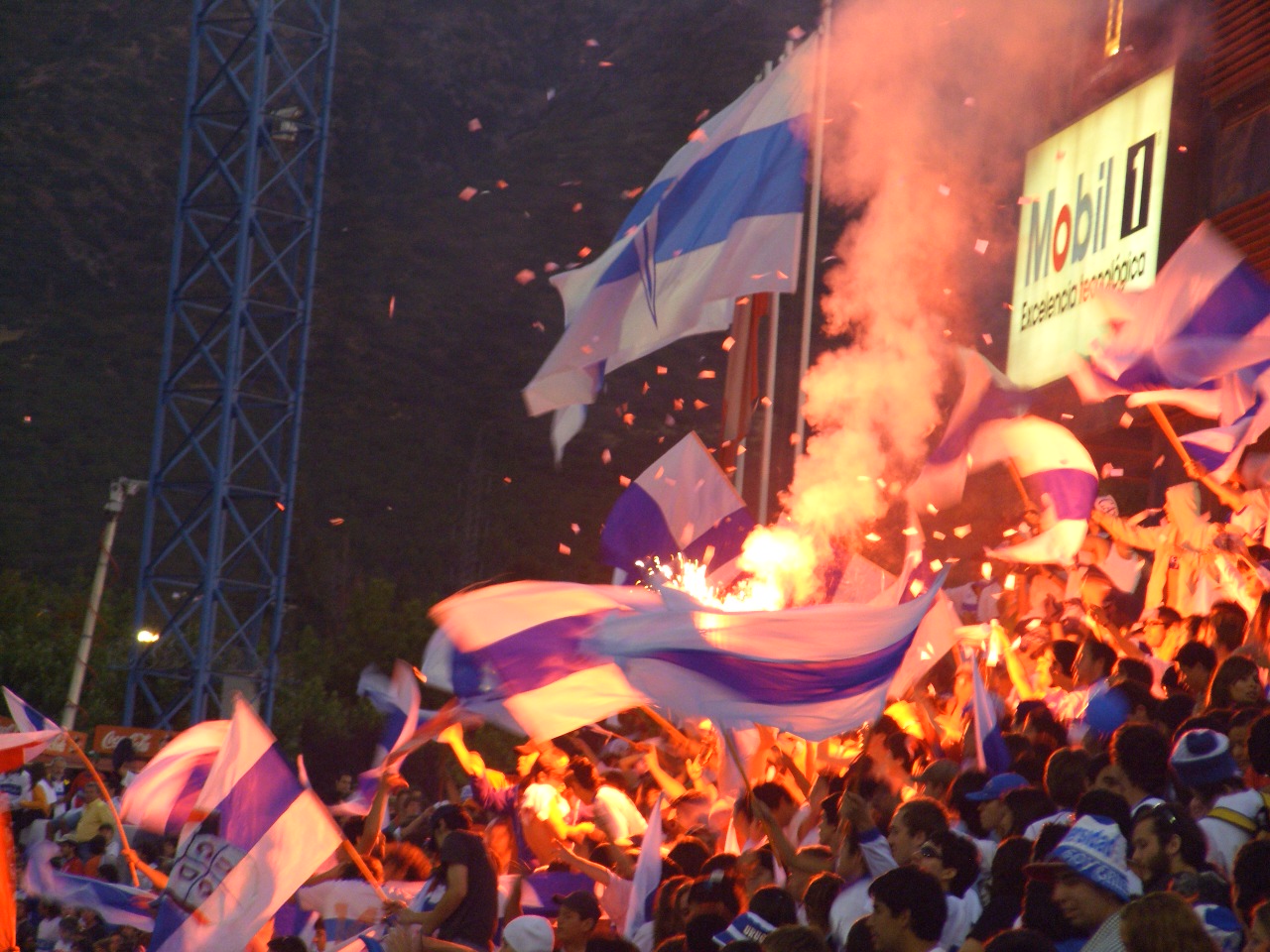
Santiago is infamous for its smog, which is worse during the winter (May–September). The locals welcome the rain which falls during winters as it cleans the air. Be sure to carry bottled water with you during the summer. Be prepared for sauna-heat on the metro during summer.
When getting around
By South American standards Santiago is a safe city, but visitors should be aware of pickpocketing and other petty crimes (Chileans derogatorily refer to the pickpockets as "lanzas", from the verb "lanzar", "to throw upon" in English). Avoid parks at night and don't wear expensive looking jewelry or watches even during the day, unless you are in Las Condes or Vitacura. If you're alone, avoid large crowds of people, especially downtown. If you happen to have bad luck and get robbed, do as you're told by the criminal and if you don't understand Spanish, give away the wallet. Not doing so can provoke an attack until you give away your wallet. Don't try to stand up to them and once again: do as you're told. Keep your camera concealed, use it to take a photo and then hide it while not using it. If you're getting robbed and the criminal has spotted the camera expect to give it away too if you want to stay out of trouble. If someone approaches you on the streets and promises to get you better chances at changing your dollars or euros into Chilean pesos, never accept their deals. They're con-people who take advantage of foreigners not knowing the details about currency and confuse them with big words to take their cash away. Only change your money in legal currency exchange centers, which may take more time but are much more trustworthy. There's one in the airport, but they are also easy to find in the downtown and financial areas, or in the malls. Overall, Santiago is very safe if you travel by car. The metro is regarded as safer for travelling amongst the locals, even though security has increased in the buses after the introduction of TranSantiago. But some locals still prefer using the metro especially when it gets darker, since almost all the stations have guards. Don't expect the staff to speak much English. In peak hours the metro runs really full so try to keep your backpack on the front and belongings in front pockets.
Dangerous areas
There are some neighborhoods/barrios that should be avoided. The few carabineros and locals that speak English will know which areas are to be avoided since some of them can actually be accessed by metro. Some people at local Starbucks are more likely to speak English. If you see fewer tall buildings and more houses with locked windows and entrances, then turn back. The changes happen very slowly, unlike some other Latin American cities, so you'd have to travel quite a lot from a wealthy safe neighbourhood to a dangerous ghetto. Avoid especially La Legua (not to be confused with La Ligua in the V Región) which is famed in Chile for its high crime rates. Single police cars won't even enter the area. Try staying away from the following comunas: Lo Espejo, La Pintana, Puente Alto (especially the Plaza de Armas), La Cisterna, San Joaquín, El Bosque (not to be confused with the avenue and neighbourhood around Metro El Golf, which is in Las Condes), San Ramón, Pedro Aguirre Cerda and La Granja unless you know exactly where you're going. Though these places are not completely unsafe for the most part, they can have a few unsafe spots and don't have much touristic significance. The safest comunas are Providencia, Vitacura and Las Condes. All of them have lots of local security guards, besides Carabineros, and locals are more likely to speak English, especially young people. They are not completely safe, though: petty theft still takes place, so keep your eyes open in the streets. Lo Barnechea can be tricky as it is the only comuna that has both extremely wealthy and extremely poor neighbourhoods ever since Pinochet's dictatorship; "La Dehesa" is wealthy and safe, "Cerro Dieciocho" is as dangerous as La Legua.
Go next

Mountains
The mountainous outdoors with nature reserves and ski resorts are just around the corner. The skiing season is from May to August.
1 Paso de Uspallata (between Chile and Argentina). Rent a car for 1 or 2 days from Santiago and go visit the beautiful Uspallata Pass with Monumento del Cristo Redentor, the Aconcagua Provincial Park for some hiking, the impressive El Puente del Inca or even laid-back Mendoza and its vineyards. The pass road itself is gravel road and a detour from the tunnel which most people use between Chile and Argentina. The views from the pass into Chile and Argentina are breathtaking, and the drive itself is exciting (not just along the gravel road). If you rent the car at around 16:00 and start in the morning near Los Andes or even closer to the pass, it might be better due to lesser clouds in the morning. Note, the border crossing into Argentina, which is 10 km or so behind the actual border, can take 2–6 hr with cars queuing for many kilometers before the tunnel underneath the pass. Since you actually do not want to take the tunnel, you should find a way to pass the waiting cars, maybe with the help of a local border police car. The gravel road to the pass starts about 100 m before the tunnel. If you just go to the Uspallata Pass and return to Chile without entering Argentina, do not tell the customs office on the way back that you went to see the Christ statue—it seems that the statue is on the Argentinian side. On the way back, you will be checked by customs for not allowed goods and food, even if you did not cross into Argentina—so, best to leave everything (even the wine) in Chile before you go to the pass. US$30 per day car rental fee. (updated Apr 2018) Ski resorts northeast of Santiago reachable by car within an hour and a half include Farellones, Valle Nevado, La Parva and El Colorado. The ski resorts of Portillo and Valle Nevado are two to three hours away on the road to Mendoza. Rancagua is 85 km to the south and has some thermal springs and hiking opportunities nearby. Cajón del Maipo, beautiful in spring, some 75 km south east of Santiago, day trip. Some nice places for lunch and tea; many of them only open on weekends. Sierras de Bellavista (150 km south of Santiago) is a wonderful little mountain village, especially after a rainy day. Alpine scenery. Other nearby nature reserves include Monumento Natural El Morado, Reserva Nacional Río Clarillo and Santuario de la Naturaleza Yerba Loca The villages and towns in the surrounding Maipo valley is also a great place for seeing the Chilean way of life, buying handicrafts, tasting wine and savoring local cuisine.
The coast
The Pacific Ocean is less than 100 km from Santiago, and easily accessible.
More pictures of Santiago


From this destination's category on Wikimedia Commons. Each photograph is credited to its own author under its own licence.
The guide text on this page is from the Wikivoyage article Santiago, written by Wikivoyage contributors and published under CC BY-SA 4.0. The authors are listed in the article’s edit history. It has been shortened and re-laid-out for this page; that adapted text is available under the same licence. Nothing else on this page is.
Wikivoyage is written by travellers, not by us. Opening hours, prices and whether a place still exists are exactly the details that go out of date, so check anything you are relying on.
“1,087 readers a month” and the ranking are ours, counted from Wikimedia’s published pageviews (CC0) — the median of twelve complete months. They count people reading about a place, which is not the same as people going there.