
Rio de Janeiro
Rio de Janeiro is the second largest city in Brazil, on the South Atlantic coast. Rio is famous for its breathtaking landscape, its laid-back beach culture and its annual carnival. The "Carioca Landscapes between the Mountain and the Sea" has been inscribed on the UNESCO World Heritage list. The harbour of Rio de Janeiro is comprised of a unique entry from the ocean that makes it appear as the mouth of a river. Additionally, the harbor is surrounded by spectacular geographic features including Sugarloaf mountain at 395 meters (1,296 feet), Corcovado Peak at 704 meters (2,310 feet), and the hills of Tijuca at 1,021 meters (3,350 feet). These features work together to collectively make the harbor one of the Seven Natural Wonders of the World. Rio de Janeiro hosted many of the 2014 FIFA World Cup games, including the final. It also hosted the 2016 Summer Olympics and Paralympics, becoming the first South American city to host the Summer Olympics.
Most read about in July, least in May. That is when people look it up, which tends to run a month or two ahead of when they go.
Before you book
The Foreign, Commonwealth & Development Office publishes the UK’s official travel advice for Brazil. It changes without notice and travelling against it usually invalidates your insurance, so read it at the source rather than anywhere else — including here.
FCDO travel adviceUnderstand
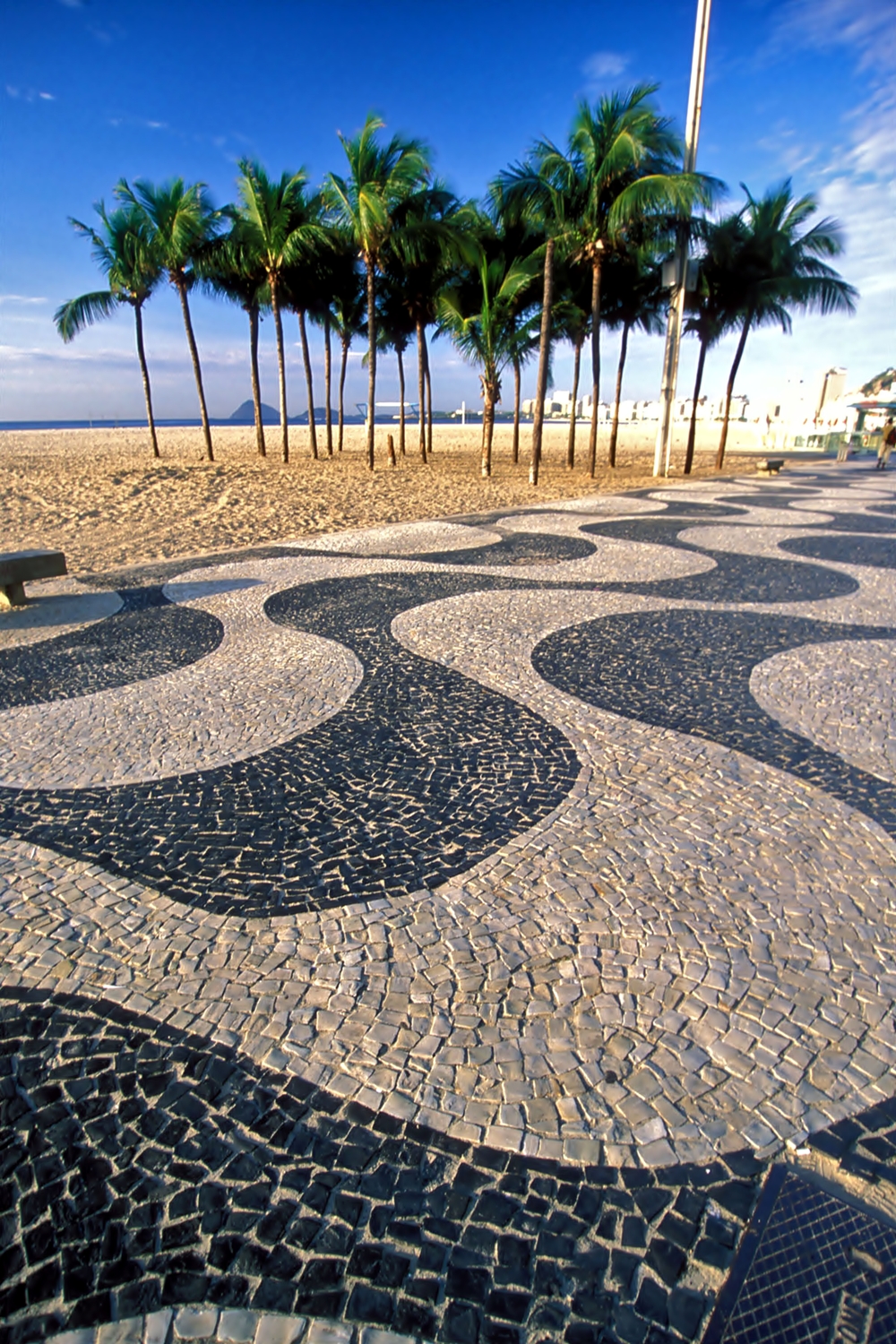
It is a common mistake to think of Rio as Brazil's capital, a distinction it lost on April 21, 1960 when the national government officially moved to Brasilia. Beaches such as Copacabana and Ipanema, the Christ The Redeemer (Cristo Redentor) statue, the stadium of Maracanã and Sugarloaf Mountain (Pão de Açúcar) are all well-known sights of what the inhabitants call the "marvelous city" (cidade maravilhosa), and are also among the first images to pop up in travelers´ minds, along with the Carnaval celebration. The South Zone holds most of Rio's landmarks and world-famous beaches, in an area of only 43.87 square kilometres (16.94 sq mi). Many of them are within walking distance of each other (for instance, the Sugarloaf lies about 8 km (5.0 mi) from Copacabana beach). Most hotels and hostels are located in this part of the city, which is compressed between the Tijuca Range (Maciço da Tijuca) and the sea. There are important places in other regions as well, such as Maracanã stadium in the North Zone and the many fascinating buildings in the centre. Sadly, most people also know Rio for its violence and crime, especially related to drugs. And social problems, as slums or favelas, areas of poor-quality housing and living; these slums are usually located on the city's many mountain slopes, juxtaposed with middle-class neighbourhoods.
History
Rio was founded in 1565 by the Portuguese as a fortification against French privateers who trafficked wood and goods from Brazil. Piracy played a major role in the city's history, and there are still colonial fortresses to be visited (check below). The Portuguese fought the French for nearly 10 years, both sides having rival native tribes as allies. For the next two centuries it was an unimportant outpost of the Portuguese Empire, until gold, diamonds, and ore were found in Minas Gerais in 1720. Then, as the nearest port, Rio became the port for these minerals and replaced Salvador as the main city in the colony in 1763. When Napoleon invaded Portugal, the Royal Family moved to Brazil and made Rio capital of the Kingdom (so it was the only city outside Europe to be capital of a European country). When Brazil became independent in 1822, it adopted Monarchy as its form of government (with Emperors Pedro I and Pedro II). Many historians and Brazilians from other places say cariocas are nostalgic of the Royal and Imperial times, which is reflected in many place names and shop names. In 2009, the city won their bid to host the games of the XXXI Olympics in the summer of 2016. This was the fifth bid by the city, whose 1936, 1940, 2004, and 2012 bids lost.
Climate
The climate of the city of Rio de Janeiro is tropical with a hot, humid and sometimes rainy summer and a mild and dry winter. In December and January, the heat and humidity are usually constant, reaching up to 45 °C (113 °F), However, it rains less in Rio de Janeiro than in other cities in the Southeast (for example, São Paulo) and the rains are usually sudden and rapid, giving a welcoming relief from the sizzling afternoon temperatures. During winter in the southern hemisphere, temperatures in Rio are usually milder. In these months rainfall decreases, and average temperatures are typically 19 °C (66 °F) to maximums of 26 °C (79 °F).
Getting there

Rio is one of the country's major transportation hubs, second only to São Paulo.
By plane
Metropolitan area airport code for the two airports of the city is unsurprisingly RIO IATA.
International and most domestic flights land at 1 Galeão - Antônio Carlos Jobim International Airport (GIG IATA Galeão International Airport), Av. Vinte de Janeiro, s/n° - Galeão, Ilha do Governador (20 km (12 mi) north from the city centre and main hotels), ☏ +55 21 3398-5050, fax: +55 21 3393-2288. While you can sometimes zoom through Immigration and Customs, be prepared for a long wait. Brazilians travel with lots of baggage and long queues can form at Customs, which are usually hopelessly understaffed. 2 Santos Dumont Airport (SDU IATA), Praça Senador Salgado Filho, s/n - Centro (east of the city centre, by the Guanabara bay.), ☏ +55 21 3814-7070, fax: +55 21 2533-2218. Gets flights only from São Paulo and some of Brazil's largest cities such as Belo Horizonte, Porto Alegre and Salvador, as well as the capital Brasilia. Airlines that service Santos Dumont include: GOL, LATAM, Azul and Avianca. Don't rush off without taking a look inside the original terminal building - a fine example of Brazilian modernist architecture. If the flight connections to Rio don't suit you, you can check flights to the airports of São Paulo, Belo Horizonte, Campinas or Vitoria. From there you can take an intercity bus to Rio.
Getting around

Rio de Janeiro possesses an extensive and complex, highly multi-modal public transportation system, adapted to the city's unique topography – large areas covered by mountains surrounded by pockets of densely populated flat lands. Among the public transportation modes, there is subway, heavy rail, light rail, bus rapid transit, local buses, microbuses, cable cars and ferry boats. The city uses a prepaid transport SmartCard, the RioCard Bilhete Único Carioca, which costs as much as a single ride (R$4,70) and gives access to nearly all available public transportation (mostly excluding tourist rides), also offering discounts if the user takes more than one transportation within a 2-hr time period and stays within the Rio de Janeiro municipality. Cards can be returned with getting the money on it back. This can be a good way to get cash off credit cards that have a minimum cash withdrawal of like US$40, but in case you only need another R$40 before leaving the country. Unfortunately, the RioCard cannot be returned at the airport or at most stations. It can only be returned at a RioCard store which only exist in certain major stations. It is very convenient to get a Bilhete Único if you plan to use public transport on a regular basis during your stay in Rio, as it saves you the hassle of constantly figuring out which type of integration ticket to buy. If you stick to subway, heavy rail, bus rapid transit and local buses (not including executive buses), a public transport trip using the Bilhete Único shall cost between US$1–2.
By boat
Ferry boats depart from 6 Praça XV. Station (Estação das Barcas), Praça Quinze de Novembro. The city ferry network include: Eight stations (Praça XV, Praça Arariboia, Charitas, Paquetá, Cocotá, Ilha Grande, Mangaratiba, Angra dos Reis). - Six lines are: Praça XV - Praça Arariboia (20 min., R$ 4,80); Praça XV - Charitas (20 min, R$13); Praça XV - Paquetá (50-70 min, R$4,80); Praça XV - Cocotá (55 min, R$4,80); Ilha Grande - Mangaratiba (80 min, R$14); Ilha Grande - Angra dos Reis (80 min, R$14)
By light rail/tram
Santa Teresa Tram, Centro Corcovado Rack Railway, Zona Sul VLT ("Veículo Leve sobre Trilhos", Portuguese for "light rail vehicle"). connects Rodoviária Novo Rio, Santos Dumont Airport, Praça XV ferry station, Central do Brasil train station, and a couple of subway stations. Can only be paid with a Bilhete Único card (each person must have a separate card), which can be bought in any stop but not within the vehicle. The ticket must be validated immediately after entering the vehicle, otherwise a R$170 fine will be levied. R$4,70. (updated Apr 2025)
See
Sights
Corcovado, the 710 m (2,330 ft) granite peak located in the Tijuca Forest in central Rio is known worldwide for the Cristo Redentor statue. The funicular train up to Cristo Redentor is definitely worth the view. The queue for the train, in Cosme Velho, can get rather long though. There's also a hiking trail that begins at Parque Lage and gets there (see Hiking and Trekking on the 'Do' section below). Pão de Açúcar, the Sugarloaf Mountain (one taller, the other shorter), Brazil's top landmark, with a two-stage aerial tramway to the top; a definite must-see. There is also an unsigned trail leading to the second station. Do not make the mistake of thinking you have seen enough once you have seen the view from Cristo Redentor. Try Sugarloaf at sunset for a truly mind-blowing experience. Lagoa Rodrigo de Freitas is a large lagoon in the middle of South Zone, with great views to Corcovado and Ipanema and Leblon beaches; you can jog or cycle all the way round; there are skating areas and you can hire little pedal-operated boats. Maracanã the largest football stadium in South America and once the largest on Earth. It is in a state of disrepair following the Summer 2016 Olympics, and daily tours have been suspended. There is also a Soccer Museum inside it. Streetcar of Santa Teresa, Brazil's only remaining metropolitan heritage streetcar.
Jardim Botânico, the Botanical Garden, planted in the 1800s. It is both a park and a scientific laboratory contains a huge collection of plants from all over the world, not only tropical ones. Parque Lage a small park containing some interesting plants and wildlife as well as strange concrete structures that will entertain the kids. The park is the beginning of a hiking trail Corcovado, through sub-tropical rain forest. Parque do Flamengo, also known as Aterro do Flamengo is along the bay between Flamengo and Glória. 1.2 million square metres with broad walkways, Flamengo Beach, various monuments, and over 10,000 trees.
Buildings
Paço Imperial is the former imperial palace (though impressively modest), colonial architecture, in downtown, next to aça XV. Casa França Brasil (1820) is the French cultural centre, with gallery and video hall (in downtown, next to CCBB). Centro Cultural Banco do Brasil (CCBB) (1906) is a cultural centre with gallery, movie theater, video room, library and stages; usually hosts the main exhibitions in town (in downtown). An interesting building with old-fashioned elevators/lifts. Candelária Church is a neoclassic cathedral next to CCBB in downtown. Mosteiro de São Bento (Saint Benedict's Monastery, 1663) is colonial architecture in downtown. Ilha Fiscal Palace (1889) - Located in the Guanabara Bay, next to the Navy Museum Gloria Church (1739). Small but interesting church reached by a funicular. Nice views. (metro: Gloria) Palácio Gustavo Capanema - Former ministry of culture, designed by Brazilian architects: Oscar Niemeyer, Lúcio Costa, Carlos Leão, Ernâni Vasconcelos, Affonso Eduardo Reidy, Jorge Machado Moreira, with the consulting of Le Corbusier; though small, it is regarded as an important pioneering in modern architecture (downtown). Arcos da Lapa (1750) - Lapa Aqueduct, colonial structure that brought water from springs to downtown. Catedral Metropolitana - a modern, cone-shaped cathedral, designed by Edgar de Oliveira da Fonseca (in Lapa). São Francisco da Penitência church (1773) - Colonial church. Teatro Municipal (1909) - City Theater, inspired by the Paris Opéra House (in Cinelândia square). Biblioteca Nacional (1910) - National Library (in Cinelândia square). Câmara Municipal - The City Hall, hosts the city council (in Cinelândia square). Palácio do Catete - The former presidential palace (1893-1960), now hosts a museum of recent history and nice gardens (in Catete). Itamaraty - Former presidential palace (1889-1893) and foreign office; now hosts a museum of South American diplomacy, a library and the UN information offices in Brazil (in Downtown, next to the Central station). Palácio Guanabara - Former palace of the Imperial Princess, now governor's office; eclectic architecture; not open to public (in Laranjeiras). Art Deco. Rio is a major centre for the Art Deco style of architecture. Indeed, the statue of Christ the Redeemer on Corcovado is considered a classic example of Art Deco work. There are numerous buildings in Copacabana and elsewhere that employ this style.
Do

Carnaval
Still the greatest reason for visiting Rio seems to be the Carnaval. This highly advertised party lasts for almost two weeks and it is well known for the escolas de samba (samba schools) that parade in Centro, on a gigantic structure called Sambódromo (Sambadrome). During Carnaval, Rio has much more to offer though, with the blocos de rua, that parade on the streets. There are now hundreds of these street "samba blocks", that parade almost in every neighborhood, especially in Centro and the South Zone, gathering thousands of people. Some are very famous, and there are few cariocas that have not heard of "Carmelitas", "Suvaco de Cristo", "Escravos da Mauá" or "Simpatia É Quase Amor". The rest of the year, samba shows are popular with tourists, and are held at several venues like Plataforma and Scala. These are expensive and not really representative of Brazilian culture, they present a lot of almost naked women and bad musicians, a tourist trap (much like the real thing.) Much more interesting and genuine, though, are the night practice sessions held by the various samba schools in the months leading up to Carnaval. You will find only a small number of tourists here, and you will be served the best caipirinhas of your trip! These go on into the wee hours of the morning, with the fun really only starting at 01:00-02:00. A good cab driver should be able to hook you up, and cabs will be available to take you back when you are samba-ed out. Salgueiro and Mangueira are good choices, as they are two of the larger samba schools, and are located relatively close to the tourist areas in a fairly safe area. A change is afoot that may make this genuine experience a thing of the past (or more convenient, depending on your viewpoint) for all but the most savvy tourists. The local government built a complex of buildings, the Cidade do Samba, where many of the samba schools moved their practice halls and float-construction facilities from the gritty warehouses typically located in or near their home favelas. One can expect many more tourists, and shows made-up for the tourists as the tourist bureau milks this facility for all it's worth year-round. Here is a list of some of the samba schools:
Mangueira, Rua Visconde de Niterói, 1072, Mangueira, ☏ +55 21 3872-6786, fax: +55 21 2567-4637, epm@mangueira.com.br. Rehearsals every Saturday, 22:00. Salgueiro, Rua Silva Teles, 104, Andaraí, ☏ +55 21 2238-9258, secretaria@salgueiro.com.br. Rehearsals every Wednesday, 20:00. Acadêmicos da Rocinha.
Music
Rio was the cradle of three of Brazil's most important musical genres: samba, choro, and bossa nova. There has been a boom of traditional samba and choro venues. A lot of them are in the downtown district of Lapa. There are good and cheap nightlife options, where you will see some of the best musicians of the country. Any of the city newspapers provide pointers to the best shows. If you're not such an anthropological type of tourist, you can check out the same papers for tips on other kinds of music. Being a big city, Rio has big and small clubs that play almost every kind of music. The major mainstream clubs mostly play whatever's on the Radio - which is usually whatever's on the USA radios and MTV - but the underground scene has a lot to offer on Rock, EDM, Rap and such. The best way to find out about those are the flyers handed or left at hostels, cinema and theater lobbies, nightclub lines, etc.
Shopping

When shopping in street commerce, always bargain; this can lower prices considerably. Bargaining in stores and malls, though, is not welcome. But naturally merchants won't bargain unless you ask, especially if you are clearly a tourist. To tourists, items can easily be overpriced by a factor of 20% especially in highly informal markets such as Saara or on the beach. For trinkets, your best bet is the "hippie fair" in Praça General Osório in Ipanema every Sunday. Great bargains can be had on Brazilian-made clothing, as well as some European imports. Most imported items, however, such as electronics, tend to be insanely expensive due to protective import duties. For example, you will find digital cameras sell for about twice what they sell for in Europe or the U.S. Store managers in Rio often speak some English, as this gains employees an almost-automatic promotion. But "some" can be very little, so it is useful to learn at least some very basic Portuguese. Just knowing basic greetings, numbers, and how to ask directions and prices will get you at least a "B" for effort, and despite finding that store clerks may know more English than you Portuguese, it can still come in handy to know a bit of the language. Don't be afraid to resort to writing numbers, pictures, or resorting to pantomime. Shop assistants will often tap out prices for you on a calculator. Visa and MasterCard are widely accepted in Brazil, with American Express to a slightly lower degree but this have been improving. A great choice of gift, since they do not take much space in the suitcase back home, are bikinis, a trademark from Rio for its quality and fashion style. Shopping malls can be found all over town, with the cheaper ones in the Zona Norte like Shopping Tijuca and Shopping Iguatemi and popular upscale shopping malls concentrated in the Zona Sul like Shopping Rio Sul and Shopping Leblon and São Conrado Fashion Mall and BarraShopping in Zona Oeste. Organic food: Organic food arrived in the Brazilian supermarkets but if you want to support local small scale farmers you might consider the following fairs of Circuito Feiras Organicas Carioca:
Tuesday: Ipanema, Praça Nossa Senhora da Paz, from 07:00 to 13:00 Thursday: Tijuca, Praça Afonso Pena, from 07:00 to 13:00 Leblon, Praça Antero de Quental, from 07:00 to 13:00 Saturday: Bairro Peixoto, Praça Edmundo Bittencourt, from 08:00 to 13:00 Glória, Rua do Russel, from 07:00 to 13:00 Jardim Botânico, Praça da Igreja São José da Lagoa, from 07:00 to 13:00
Eat

In Rio de Janeiro you can probably find something to fit any craving. A good approach to local food is "comida a kilo" – buffet style restaurants where you pay by the weight of the food on your plate. Don't miss the most famous Brazilian dish, feijoada (fay-zho-AH-da), a black bean stew filled with big chunks of meat, like sausage, pork and beef. Along with the "feijoada", you also get some colorful side dishes that come with it, such as rice, cassava (roasted manioc), collard greens, fried pork rinds, and some orange slices, to sweeten things up a bit. This is bonafide, authentic carioca culinary excellence, almost worth the trip alone! Best while sipping down a "caipirinha". For the hungry, nothing beats a good rodízio (all-you-can-eat service). These are available in numerous types, although the most well-known are the churrascaria, all-you-can-eat grilled meats. At various restaurants around town, you can also find rodízio style dining featuring seafood, pizza, or various appetizer-style snacks. The defining element of rodízio is that unlike an all-you-can-eat buffet, the servers continuously bring skewers of various meats. If you like meat but want an alternative to the rodizios, a good place to eat at is Filé de Ouro (Rua Jardim Botânico, 731, Jardim Botânico; ☏ +55 21 2259-2396; see Google Maps for directions). The place is simple and cozy. During the weekends there are usually big lines, but the steak is delicious. Try "Filé à Oswaldo Aranha", with toasted garlic. Brazil has the largest population of Japanese outside of Japan, and sushi has become widely popular in Rio too. If you are a sashimi and sushi lover, you will find a great deal of options in Rio de Janeiro. As a former ex Portugal colony, Brasil has maintained many influences of this country on its culinary. Therefore, you will find great authentic Portuguese restaurants in Rio. Because its huge coast, many Brazilian specialties are in the seafood area. They are very rich in shrimps, lobster, calamaris, shellfish, clams, mollusks and many other tasty fishes. So, once in this land, don't miss the opportunity to order those lovely dishes. Travellers with fatter pockets may also splash out a bit at the Dias Ferreira street in Leblon, Rio's up-and-coming restaurant row. There are many places to get pizza and lots of restaurants also offer pasta. Rio is also famous for its pastries and street food, heritage from Portuguese and old European culture. In most cafeterias (lanchonete; lun-sho-NETCH) you can have a pastel (pahs-TELL) or salgado (saw-GAH-do; local pastry). Typical pastries are coxinha (ko-SHEEN-ya; chicken nugget shaped like a chicken leg), and unique Rio's joelho (zho-EH-lyo; rolled dough filled with ham and cheese). Also try pão de queijo (pawn-deh-KAY-zho; cheese baked dough), typical from Minas Gerais but very common in Rio as well, and tapioca (typical from Bahia), a kind of crepe made out of manioca flour. For drinking, ask for guaraná (gwa-ra-NAH; soda made from the seed of an Amazon fruit, also available as a strong drink), mate (MAHTCH; sweet ice tea; not like Rio Grande do Sul's or Argentina's hot and sour mate), água de coco (ah-gwa-djee-KOH-ku; natural coconut water) or caldo de cana (caw-do-djee-KAH-na; sugarcane juice). There is also a common fruit called açaí (ah-sah-EEH), with a dark-purple pulp out of which are made juices, and ice-creams. Typical cariocas eat it like cream in cups or glasses, mixed with granola, oats or other flakes. The best place for such drinks are one of a number of Rio's open juice bars. Very often, these are located on street corners and have long, curved bars offering you juices from pretty much every fruit you can imagine. The best option is a small chain of juice bars called "Big Bi's". The juices are astounding value alongside their good selection of salgados and sandwiches. Their açaí is one of the best in terms of value and taste and the staff are excellent. On top of all this, if you leave a tip, you get a big obrigado from all the staff. For the best Big Bi's experience, try the Tangerina ao Limão juice along with the famous Bauru sandwich. Finish it all off with an açaí to go. Perfect. Big Bi's has a few branches dotted around Copacabana and Ipanema, one of which is on the corner of Rua Santa Clara and Rua Barata Ribeiro in Copacabana. If you then cross the road of Rua Barata Ribeiro, you will land at an exquisite ice cream parlour. There are many specialized "health food" shops that offer an incredible variety of rich meat and vegetable sandwiches, plus an awesome variety of fruit juices, many of them delicious and usually unknown by foreigners. Among them are graviola, fruta do conde, jaca, açaí, guaraná, pitomba, mango, coconut, orange, lemon, papaya, melon, etc. (they make it as you ask and all food is 100% organic and fresh. The meal is often prepared as you wait, so you can ask them to mix whatever fruit you want and create a customized mix if you like). You must try açaí and guaraná, Amazon fruits which are famous to be the strongest energizers and anti-oxidants of the world. They also offer Brazilian snacks (including many Italian and Oriental delicacies), and other simple but delicious things to eat. These shops are usually cheap and hang many fruits at the entrance or somewhere visible to display their quality. Warning: look for clean places, as hygiene can be poor in many street shops. If your palate is homesick for more familiar tastes, Rio has most of the fast-food chains found around the world (McDonald's, KFC, Domino's, Outback, Subway, Pizza Hut and Burger King). Bob's and Habib's are the biggest national fast food chains. Many foods that in other countries are simply picked up in the hands and eaten, are either eaten with knife and fork (such as pizza) or are picked up by wrapping a napkin around the food so that it is not touched with the hands (such as sandwiches). You will undoubtedly notice napkin dispensers on the tables in most restaurants for this purpose.
Drink

What
Botequim (pronounced 'boo-chi-KEEN') also well known as boteco. These unpretentious bars with simple appetizers and lots of ice-cold chope (draft beer) are everywhere and are almost inseparable from the carioca lifestyle. Try Bracarense (85, José Linhares street, Leblon), one of the most traditional. Juice bars - Of particular note for an often hot and muggy city are the refreshing juice bars, found on nearly every corner in the city. Choose from dozens of freshly squeezed fruit juices - mix two or three fruits together or simply try the freshly squeezed orange juice. For a delicious Brazilian special try the açaí, a smoothie made from a deep purple fruit from the Amazon. Caipirinha, a drink made of cachaça (a Brazilian liquor made of sugarcane juice), lime, sugar and ice cubes.
Where
Kiosks along the boardwalk at Copacabana and Ipanema beach stay open all night. Devassa, which has nine locations in Rio, serves well-crafted microbrews, a tropical take of English ale styles. Neighborhoods:
Lapa - A good bet for Thursdays, several bars and clubs, but the party is in the street. There you will find people dancing and playing Samba, Choro (soft rhythm with flutes and mandolin), Reggae and Hip Hop, as well as ballroom dancing (gafieira), but no Rock (except for some underground, which doesn't happen often or in the same place, but usually in some less known places of Lapa) or Pop music. While drinks are sold in the bars and clubs, vendors also roam the streets wearing coolers full of beer for even cheaper prices. It can also be a very exciting and packed place on Friday and Saturday nights. Be sure not to bring valuables, as there are a lot of pick-pockets operating in the area. Don't take it for the neighborhood with the same name in São Paulo, which is totally different.
Sleep

In the Zona Sul, you will find Rio's fanciest and most popular hotels along the beaches of Ipanema and Copacabana, but there are lots of small, cheap, clean hotels around Flamengo and Catete. The street in front of the strip of tourist hotels in Copacabana can be seedy, due to both garishly-dressed tourists, and a few opportunistic locals ready to take advantage of them. The apart-hotels in Ipanema are a much more pleasant alternative, being both better appointed and in a nicer neighborhood with fewer tourists. Accommodation in the lower Centro can be convenient for business travellers. The surrounding areas, however, are far from pleasant at night, being nearly deserted and lacking decent restaurants and leisure options. The central Santa Teresa neighbourhood, however, is quite departed from the city centre life and has plenty of pleasant bed and breakfasts and a significant nightlife. Given Rio's rise as a fashionable destination with creative and fashion people, some hotels that cater to the design-conscious crowd have also been popping up at the most upscale neighborhoods. The city also has a large selection of apart-hotels, which provide apartment-style accommodations with kitchen facilities. Private condominium apartments can also be rented short-term at reasonable rates, and can be found on the internet. This is probably a preferable means of finding one of these than the notes that will be passed to you by anonymous persons on the street. These apartments generally have a one-week minimum, or two weeks during Carnaval or New Years holidays. Accommodation in Rio is probably Brazil's most expensive. There is a relative shortage of hotel rooms on the cheaper range and booking in advance is recommended. Moreover, prices for most accommodation can more than triple during New Year's and Carnaval. Those are very busy periods and booking well in advance is recommended. Most hotels in tourist areas will only sell 4-day packages and charge in advance - even if you want to stay only for a couple of days during those events. Other than those, the busiest month is January - summer holidays in Brazil. Motels, that you will see mainly on the outskirts of the city, are not motels in the North American sense. Rather, they are places you go with your lover for a few hours. One famous motel, overlooking the Sheraton in Leblon, was taken over by the US Secret Service when George Bush Sr stayed at the Sheraton. It is not recorded whether heart-shaped beds, mirrors on the ceiling and on-tap porno movies affected their work! If hostel life is more your style, they are easy to find in Rio. The more expensive ones boast locations that are short walking distance to either Ipanema or Copacabana beach. However, if you prefer to stay in Lapa, Glória, Catete, and Botafogo, there are many other choices available. Hostelling has become increasingly popular in Brazil, and many of them are located at walking distance from hot spots. Beware, however, not to be taken to any fraudulent scheme - you might end up being robbed. Look for accredited places with Youth Hostelling International and similar franchises. To experience Rio from another point of view, there's also the opportunity to stay in various hostels in one of the favelas. Due to presence of many police units (called Unidade de Polícia Pacificadora, UPP), it is reasonably safe to stay in some favelas. Ask your hosts about the actual situation, though. See for example Zona Norte for a stay in the Complexo do Alemão.
Stay safe
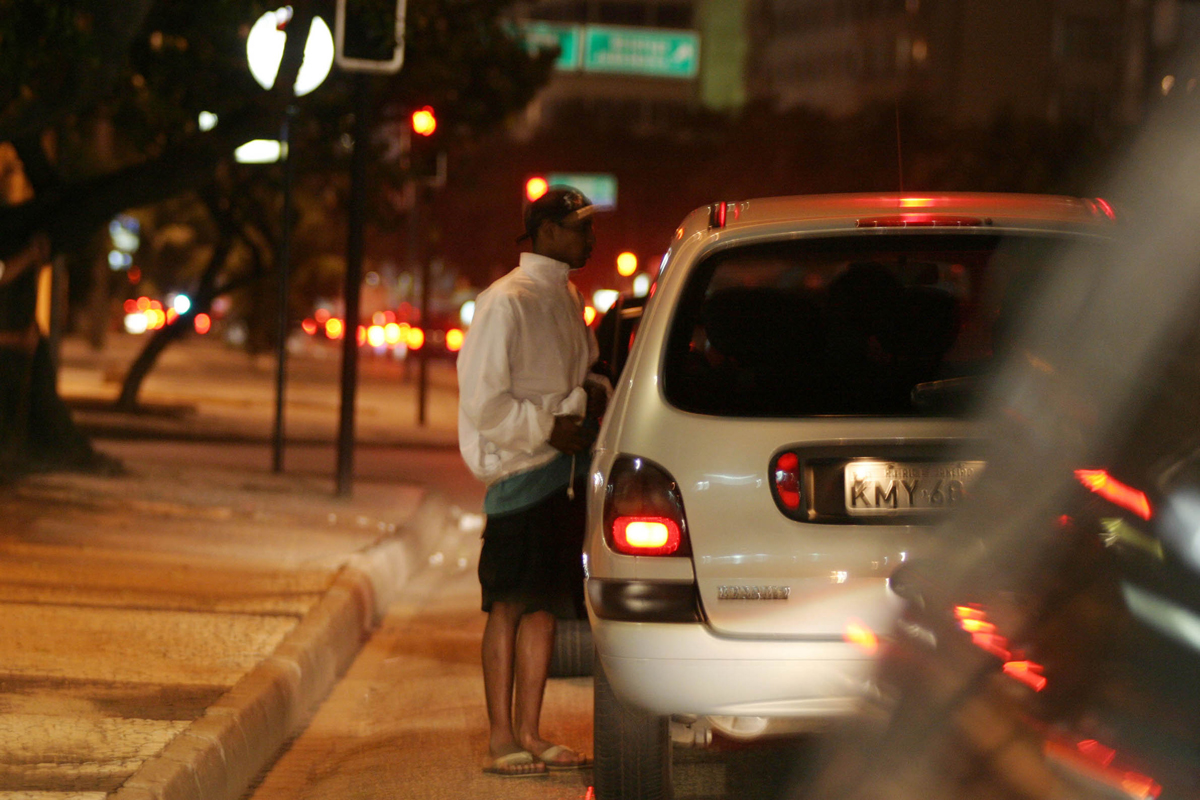
Rio is vulnerable to epidemics of dengue fever, particularly during the late summer months of February and March. If an epidemic occurs, be sure to take the appropriate precautions by using insect repellant and, if you happen to be staying at a place with a balcony, make sure there is no standing water around. As elsewhere in Brazil, some beaches in Rio are not suitable for bathing, and conditions can change from day to day. On the day of your visit, check the latest weekly bathing bulletin (in Portuguese, boletim de balneabilidade) of the state's Environment Department (INEA). At the bottom of the page, there is a large ad for a mobile app called Partiu Praia Inea that provides you an up-to-date map of bathing conditions. Use sunscreen, especially in your face and shoulders, to avoid having a bad experience with sunburns. Any common drug store sells a variety of sunscreen products, and even cocoa butter lip sticks, to avoid having little cuts after dry lips. Here is a list of medical clinics and hospitals in Rio de Janeiro:
Hospital Copa D’Or - Address: Rua Figueiredo de Magalhães, 875 – Copacabana, Rio de Janeiro – RJ, 22031-011 - Phone: +55 (21) 2545-3600 Hospital Rio Laranjeiras - Address: R. das Laranjeiras, 72 – Laranjeiras, Rio de Janeiro – RJ, 22240-000 - Phone: +55 (21) 2555-2000 Hospital Israelita Albert Sabin - Address: Rua Professor Gabizo, 319 – Maracanã, Rio de Janeiro – RJ, 20271-065 - Phone: +55 (21) 2176-8800 São Lucas Hospital-Copacabana - Address: Condomínio de Hemodinamica – Tv. Frederico Pamplona, 32 – Copacabana, Rio de Janeiro – RJ, 22061-080 - Phone: +55 (21) 2545-4000 Hospital Samaritano Barra - Address: Av. Jorge Curi, 550 – Barra da Tijuca, Rio de Janeiro – RJ, 22775-001 - Phone: +55 (21) 3263-1000 Ibogaina Rio de Janeiro - Address: R. Bom Pastor, 295 – Tijuca, Rio de Janeiro – RJ, 20521-060 - Phone: +55 (21) 2159-2300 Hospital Unimed Rio - Address: Av. Ayrton Senna, 2550 – Barra da Tijuca, Rio de Janeiro – RJ, 22775-003 - Phone: 0800 031 3861 Public Hospitals of the State of Rio de Janeiro
Hospital Estadual Getúlio Vargas - Address: Av. Lobo Júnior, 2293 – Penha Circular, Rio de Janeiro – RJ, 21070-061 - Phone: +55 (21) 2334-7856 Hospital Universitário Pedro Ernesto - Address: Boulevard 28 de Setembro, 77 – Vila Isabel, Rio de Janeiro – RJ, 20551-030 - Phone: +55 (21) 2868-8000
Go next
Grande Rio
Niterói – 15km from downtown. It has a wonderful unique view of Rio and an intriguing contemporary art museum, which looks like a UFO (designed by famous architect Oscar Niemeyer). Also, it has one of the state's most beautiful beaches, Itacoatiara, which can be reached by the bus #38. From Rio to Niterói it's a short ferry ride or you go by bus. São Gonçalo – 25km from downtown. The biggest city of the Leste Metropolitano region, with the second largest population in the state. Duque de Caxias – 20km from downtown. The largest city of Baixada Fluminense, neighboring to the Rio de Janeiro's North Zone. Maricá – 55km from downtown. The last municipality on the sea coast of Grande Rio to the east. It has several lagoons and a single strip of sand that extends along almost the entire shoreline of the municipality. Rio Bonito – 75km from downtown. A peripheral municipality, with a small population and wide rural areas with lots of nature. It is the easternmost municipality in the metropolitan area of Rio de Janeiro. Cachoeiras de Macacu – 90km from downtown. The most northeastern municipality of Rio metropolitan area, it is another peripheral municipality which has become an attraction for trekking, mountaineering, rappelling and other types of extreme sports and ecotourism. Part of the Três Picos State Park is in the municipality. There are dozens of waterfalls of extraordinary beauty. The bus company 1001 goes for around R$45 (Oct 2025), departing from the Rio's long-distance bus station (Rodoviária Novo Rio). Guapimirim – 75km from downtown. The most northeastern municipality in Baixada Fluminense, at the foot of the mountain range known as Serra dos Órgãos, a section of a longer mountain range called Serra do Mar. Paracambi – 70km from downtown by railway (80km by road). The most northwestern municipality of Baixada Fluminense and of the metropolitan area, at the foot of Serra das Araras, a more western section of Serra do Mar. The bus company UTIL has a route to the municipality for around R$40 (Sep 2023) departing from Rodoviária Novo Rio. Itaguaí – 70km from downtown. Another peripheral municipality, bathed by the Sepetiba Bay, it is one of the last coastal municipalities of the metropolitan agglomeration of Rio to the west.
On the southeastern coast of Rio State
Saquarema – 95 km from downtown Rio. A predominantly tourist city with beautiful beaches, in the lakes region. It is known as "The national surfing capital". Further attractions are waterfalls, cascades, mountains and an archaeological site. Búzios – 170 km. It's a small peninsula with several nice beaches, an abundance of night clubs and the lowest rainfall in the state of Rio. Its nickname is "Saint-Brazilian Tropez". Cabo Frio – 170 km. A popular tourist destination. It's famous for its beautiful beaches with fine white sand and crystal clear waters. Arraial do Cabo – 170 km. It's a small town near Búzios. Its beaches have the most beautiful turquoise waters of Rio de Janeiro state. Beaches like Forno and Prainhas do Atalaia are surrounded by virgin lush green coastal vegetation and have clear blue waters similar to the Caribbean ones.
In the northwest
Miguel Pereira – 120 km. It's famous for its exuberant nature, cool climate and tranquility, for those who want to escape the hussle of big cities. One of the most visited spots is Lake Javary, where you can ride a pedal boat and breathe the fresh mountain air. The intercity buses of Util have rides for around R$40 (Dec 2021).
More pictures of Rio de Janeiro


From this destination's category on Wikimedia Commons. Each photograph is credited to its own author under its own licence.
The guide text on this page is from the Wikivoyage article Rio de Janeiro, written by Wikivoyage contributors and published under CC BY-SA 4.0. The authors are listed in the article’s edit history. It has been shortened and re-laid-out for this page; that adapted text is available under the same licence. Nothing else on this page is.
Wikivoyage is written by travellers, not by us. Opening hours, prices and whether a place still exists are exactly the details that go out of date, so check anything you are relying on.
“2,168 readers a month” and the ranking are ours, counted from Wikimedia’s published pageviews (CC0) — the median of twelve complete months. They count people reading about a place, which is not the same as people going there.